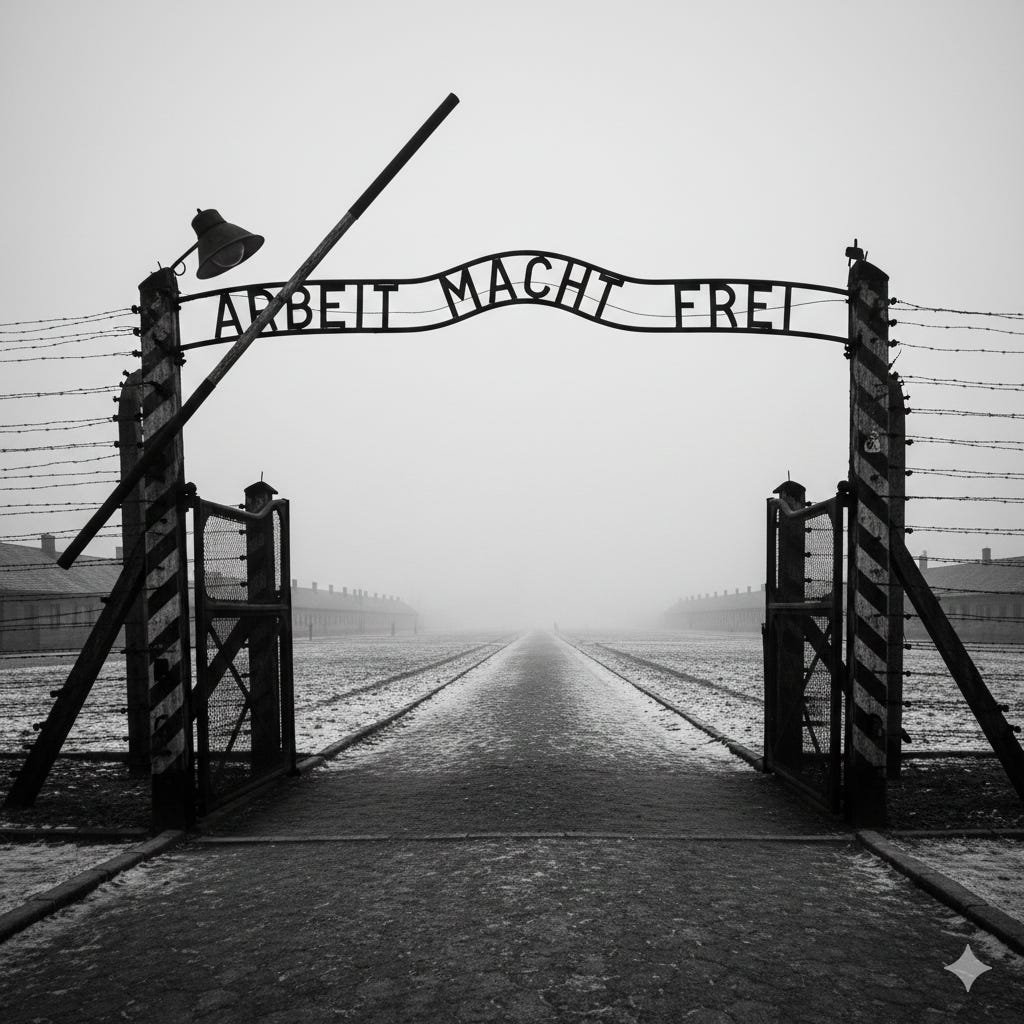
Nations honor six million Jewish victims and other targets of Nazi persecution during annual day of reflection.
International Holocaust Remembrance Day occurs every January 27 to mark the anniversary of the liberation of the Auschwitz-Birkenau concentration camp in 1945. This year marks the 81st anniversary of that event. The United Nations General Assembly established this day in 2005 to encourage Holocaust education and prevent future acts of genocide. Global ceremonies today focus on the dwindling number of survivors and the need to document their testimonies. This observance serves as a factual reminder of the consequences of state-sponsored hate and the historical reality of the “Final Solution.” Search data shows a high interest in how modern education systems handle these historical facts.
International Holocaust Remembrance Day is a global effort to preserve the factual record of the genocide committed by the Nazi regime. It functions as a formal rejection of Holocaust denial and a commitment to historical accuracy regarding the murder of six million Jews. Today, governments and organizations utilize this date to reinforce legal and educational frameworks that protect religious and ethnic minorities.
This year is a pivotal moment for Holocaust remembrance because the generation of eyewitnesses is rapidly passing away. As direct testimonies become archival records, the focus shifts to digital preservation and legal protections against rising antisemitism. The day provides a roadmap for understanding how legal systems failed under the Third Reich and how modern international law evolved in response to these atrocities.
Why is January 27th the date for Holocaust Remembrance?
Continue Reading
This article was originally published on Substack. Subscribe to get updates directly to your inbox.