In a Constitutional Republic, the Majority Doesn’t Get to Take Your Rights
The Soviet Constitution of 1936 guaranteed freedom of speech, but only “in order to strengthen the socialist system.” America’s First Amendment begins with a different command: “Congress shall make no law.” That difference exposes a fundamental problem with today’s endless warnings about “threats to democracy.” America is a constitutional representative democracy. Winning elections doesn’t give anyone unlimited authority over everyone else.
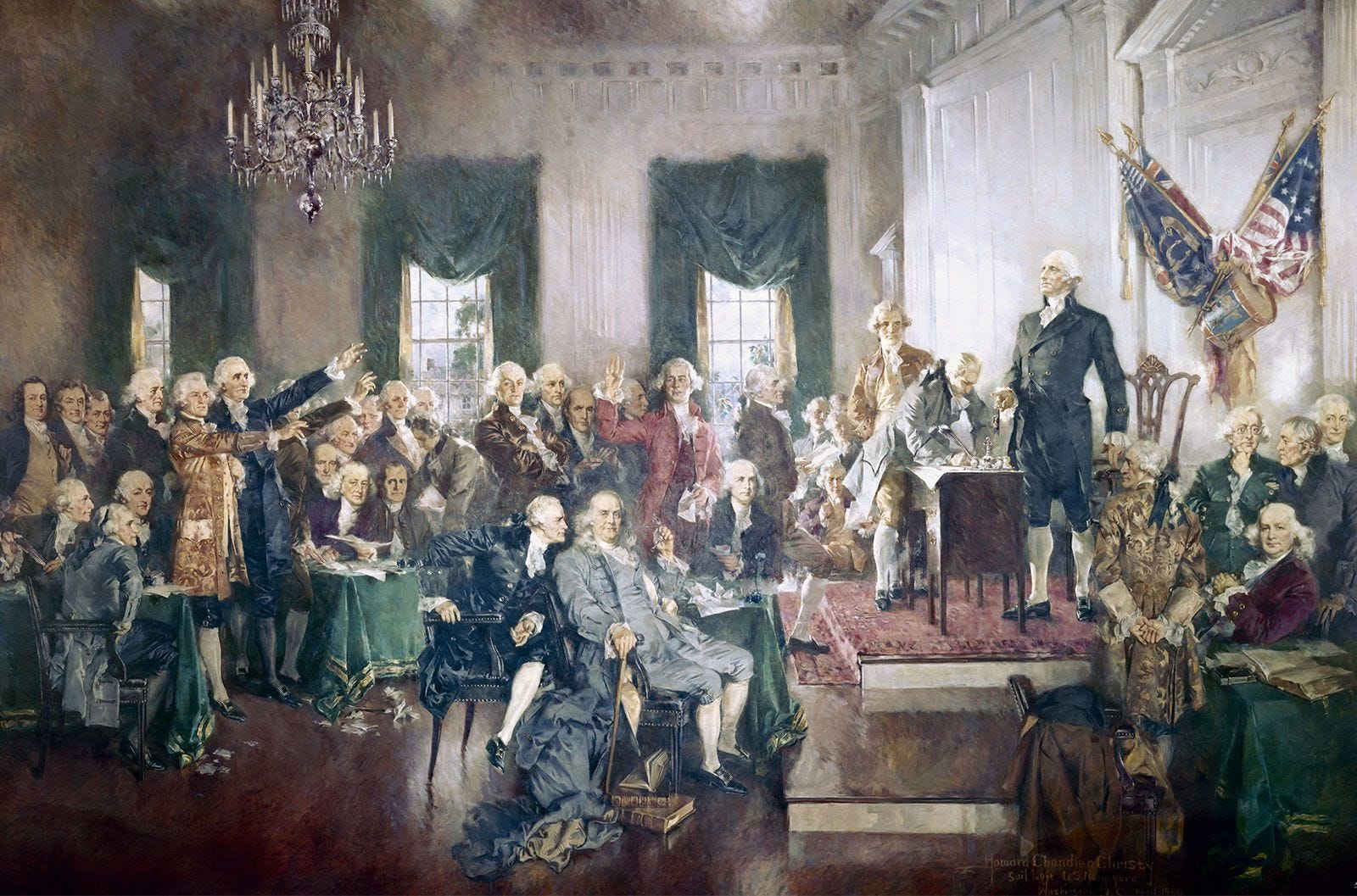
The Founders understood this danger. They feared tyranny by kings, but they feared tyranny by majorities, too.
James Madison warned in Federalist No. 51:
“If a majority be united by a common interest, the rights of the minority will be insecure.”
The Declaration of Independence proclaimed that human beings possess “unalienable Rights.” Government exists to secure those rights, not distribute them according to election results.
The Constitution established checks and balances. The Bill of Rights restricted governmental authority. Neither was intended to disappear after an election.
Socialism and the problem of unlimited democracy
The issue deserves attention amid renewed calls for democratic socialism.
The Democratic Socialists of America’s political program proposes drafting a new constitution, abolishing the Senate, and creating a democratic socialist republic. Its supporters argue that existing institutions frustrate majority rule.
That’s a legitimate subject for constitutional debate. But a serious question follows: What institutional safeguards would protect individuals against an elected majority?
Socialism is not a single constitutional philosophy. Democratic socialists differ from Soviet communists, and many support civil liberties. Nevertheless, the Soviet example demonstrates the danger of making individual freedoms dependent upon a government’s ideological objectives.
A constitutional promise means little when those enforcing it can disregard dissent.
Religious freedom provides the test
A majority could vote to require people to go to church. It could elect legislators promising to enforce that requirement.
The First Amendment would still prohibit compulsory religious observance.
Catholics, Protestants, Seventh-day Adventists, Jews, Muslims, and atheists possess constitutional protections regardless of their numbers.
That’s what makes religious freedom meaningful. Popular beliefs rarely need protection. Unpopular beliefs do.
Democracy needs boundaries
Real threats to democratic institutions exist. But losing an election or disliking a court decision doesn’t automatically qualify.
The proper question is whether constitutional rights and lawful democratic procedures are respected.
Democracy determines who governs. The Constitution limits what government may lawfully do.
Socialists, conservatives, and everyone between them must respect those limits.
The majority gets to govern.
It doesn’t get to vote away your freedom.