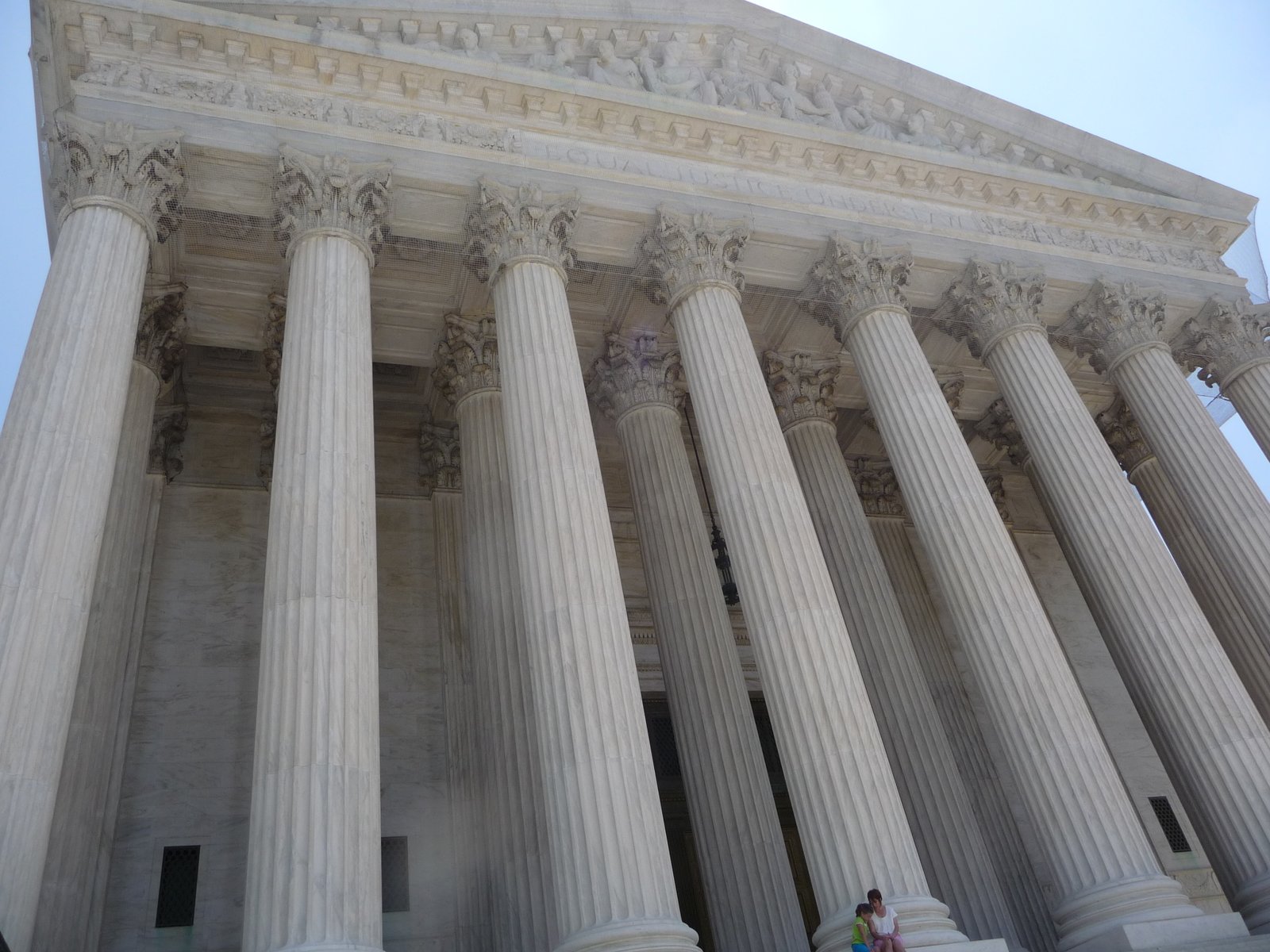
Supreme Court hears argument in football coach post-game prayer case
The Supreme Court will likely find that the coach's interest in free speech and free exercise of religion is more compelling than a potential Establishment…
Archive
The Supreme Court will likely find that the coach's interest in free speech and free exercise of religion is more compelling than a potential Establishment…
Yesterday, the U.S. Supreme Court announced that it would not be hearing two major workplace religious accommodation cases.
In June, a Florida Seventh-day Adventist school that received state and federal funding fired a teacher because of his sexual orientation.
Today, Founders’ First Freedom, Inc. filed an amicus brief urging the United States Supreme Court to revisit and restore the workplace religious accommodation standard found in Title…
The ethical and moral onus is now on religious institutions as they decide whether to fire "ministerial" employees for reasons illegal in the secular world,…
The Supreme court has decided against hearing a workplace accommodation case involving a Seventh-day Adventist, but hints that it may revisit employer accommodation standards in…
The Supreme Court announced today that it would hear arguments in two employment cases involving whether teachers in Catholic Schools can file lawsuits in pursuit…
On October 8, 2019, the U.S. Supreme Court will hear oral arguments in two cases involving whether the antidiscrimination provisions of Title VII of the…
An update on the status of Patterson v. Walgreen, New York expands statute of limitations on child sexual abuses case, ministerial exception in disability claims,…
The Supreme Court issued a ruling on June 3, 2019, in a case (Fort Bend County v. Davis) involving whether a court may hear a…