Conscience, Christ, and the Courts: Engaging Dr. Timothy Rumsey’s Critique of International Religious Liberty Advocacy
l
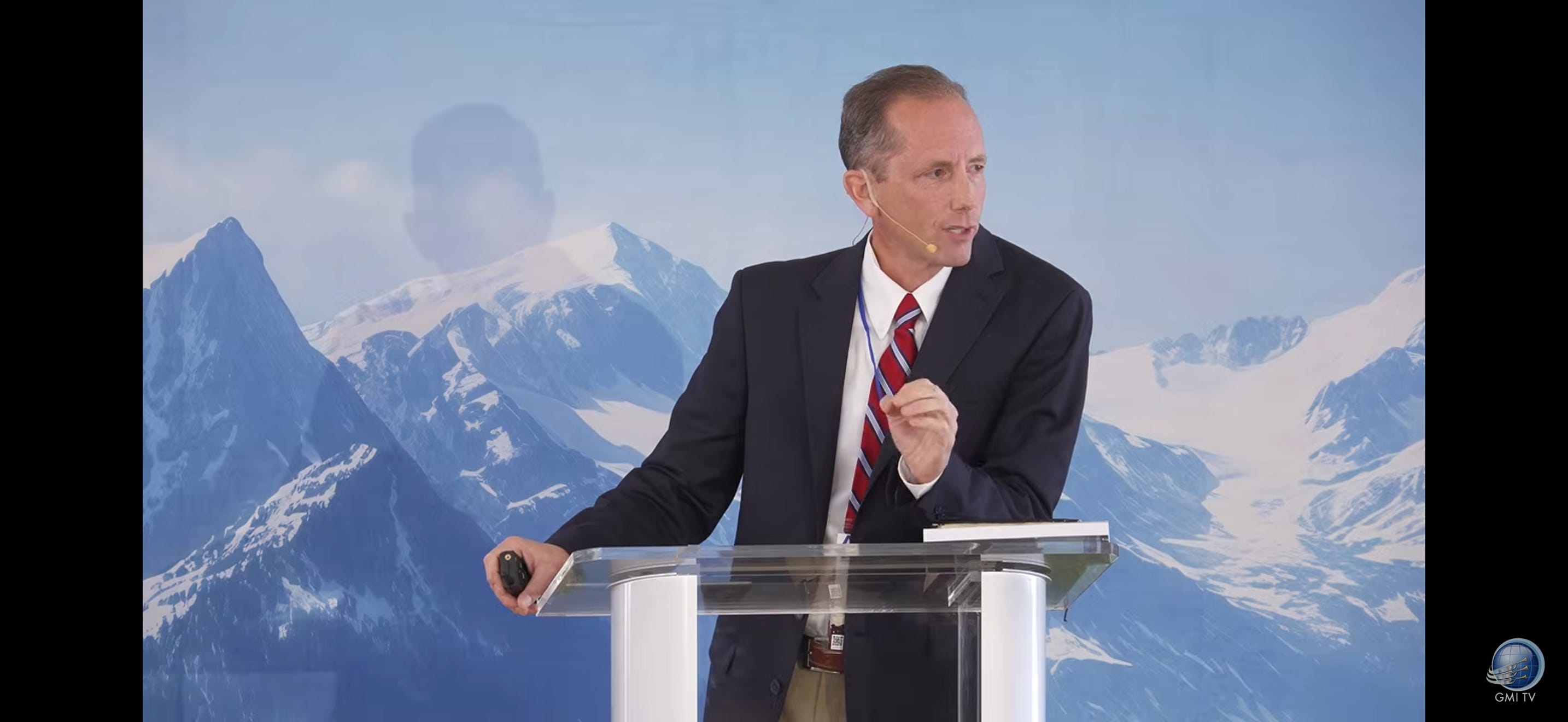
During an address given at the AMI Conference in August and hosted on the Gospel Ministries International television network on YouTube, Dr. Timothy Rumsey presented a lecture titled “Religious Liberty and the United Nations.” His remarks brought into sharp relief a foundational question facing believers today: How should an eschatological, faith-driven community navigate its relationship with secular global institutions?
Background: The Ministry and Perspective of Dr. Timothy Rumsey
To evaluate Dr. Rumsey’s message fairly, one must first appreciate where he stands. Dr. Rumsey is the speaker and director of Pathway to Paradise Ministries, an independent Christian media and evangelistic organization based in Macks Creek, Missouri. Co-founded with his wife, Stacey, the ministry dedicates itself to producing Bible prophecy seminars, print resources, and digital broadcasts centered on practical Christianity, the sanctuary doctrine, and the Three Angels’ Messages of Revelation 14.
Dr. Rumsey’s background spans years in Christian education and music instruction before he transitioned into full-time ministry. That trajectory informs his earnest, pastoral tone. His critique does not stem from personal animosity or institutional spite. Instead, it reflects the deep, sincere convictions of a dedicated Bible teacher concerned with spiritual fidelity, institutional compromise, and church purity in the end times.
In his lecture, Dr. Rumsey laid out a clear theological thesis:
True Liberty is Spiritual, Not Merely Procedural: Grounding his message in Christ’s words in John 8:32 through 34, Rumsey asserted that genuine religious liberty is fundamentally freedom from the bondage of sin, rather than simply securing legal permissions from secular states.
The Danger of Shifting Definitions: Citing historical miscommunications, such as the mistranslation of the Japanese term mokusatsu following the 1945 Potsdam Declaration, he cautioned that when religious bodies and secular institutions use the phrase “religious liberty,” they often mean fundamentally different things.
A Warning Against Compromise: Pointing to research such as Joanna De Bruin’s The Captive Bride, he cautioned denominational workers and administrators against what he termed “corporate presumption,” the idea that institutional survival or global influence justifies entering into unbiblical entanglements with international governance structures.
His concern is genuine: that in the quest for worldly influence, a prophetic movement might lose its distinct voice, dilute its message, and mistake secular human rights frameworks for the gospel of Jesus Christ.
The Counter-Perspective: The Dual Spheres of Church and State
While Dr. Rumsey’s call to spiritual fidelity is vital, evaluating his conclusion requires examining the legal reality of religious liberty advocacy. The tension he identifies illustrates a classic problem: the distinction between private theological belief and institutional civil defense.
The church lives in two realms at the same time:
1. The Theological Realm
In the private sphere of the soul and the congregation, Dr. Rumsey is entirely correct. No court order, international treaty, or non-governmental organization can liberate a human heart from sin. True conscience belongs to God alone.
2. The Civil and Legal Realm
The church as an organized body operates inside a world governed by domestic and international laws. When a local pastor is imprisoned in an authoritarian nation, when church property is seized by a hostile regime, or when an individual Sabbathkeeper is fired from their job, theological declarations alone do not stay the hand of a secular magistrate.
Securing the practical, civil freedom to worship, assemble, and preach requires engaging the law on its own terms.
When denominational representatives interface with international bodies like the United Nations, or participate in forums surrounding the Universal Declaration of Human Rights, the objective is jurisprudential, not theological. They are not adopting secular humanism as their creed. Rather, they are working within established legal mechanisms to advocate for religious minorities facing persecution.
Engaging these bodies does not represent an endorsement of every resolution or policy an international organization produces. Instead, it serves as a form of diplomatic and legal stewardship. Just as the Apostle Paul invoked his Roman citizenship to avoid an illegal scourging and appealed directly to Caesar’s tribunal in Rome (Acts 16:37; Acts 25:11), religious liberty advocates invoke civil charters to maintain the legal breathing room necessary to spread the gospel unimpeded.
Preserving Truth While Defending Rights
The core friction raised by Dr. Rumsey’s address lies in whether institutional involvement with secular organizations inherently compromises a ministry’s message.
The danger Rumsey highlights is real: Whenever institutional leaders become so enamored with diplomatic prestige or bureaucratic access that they silence core biblical convictions, they have crossed into compromise.
The necessity of legal defense remains equally real: If religious institutions completely withdraw from civil and legal advocacy, they abandon vulnerable believers in hostile environments to the unchecked power of the state.
Advocacy before secular courts and global assemblies does not replace the gospel. It simply defends the freedom to preach it. Recognizing that vital distinction allows the church to maintain theological purity without forfeiting the legal shields that protect individual conscience around the globe.
You can watch the full presentation on the Dr. Timothy Rumsey GMI TV Lecture.
This video provides the full lecture where Dr. Timothy Rumsey articulates his concerns regarding institutional connections between church administration and the United Nations.
Please like, share, and subscribe to the ReligiousLiberty.TV Blog at religiouslibertytv.substack.com to receive regular legal analysis, court filings, and updates on religious freedom developments worldwide.
TLDR (Too Long / Didn’t Read Summary)
Dr. Timothy Rumsey of Pathway to Paradise Ministries delivers a sincere, Christ-centered appeal in his lecture “Religious Liberty and the United Nations,” warning that secular legal concepts of freedom must not eclipse the biblical reality of freedom from sin. While his call for spiritual fidelity and avoidance of institutional compromise is well-taken, religious organizations operate in both the spiritual and civil spheres. Engaging secular international platforms serves as a critical legal shield, similar to the Apostle Paul invoking his Roman citizenship, to protect persecuted believers and preserve the freedom of assembly and worship worldwide, without compromising core doctrinal convictions.
Legal Disclaimer
This content is for educational and informational purposes only and does not constitute formal legal counsel. Readers should consult a licensed attorney for specific legal guidance on institutional policies or individual conscience accommodations.