The Apostle in Chains: The Story of Junia
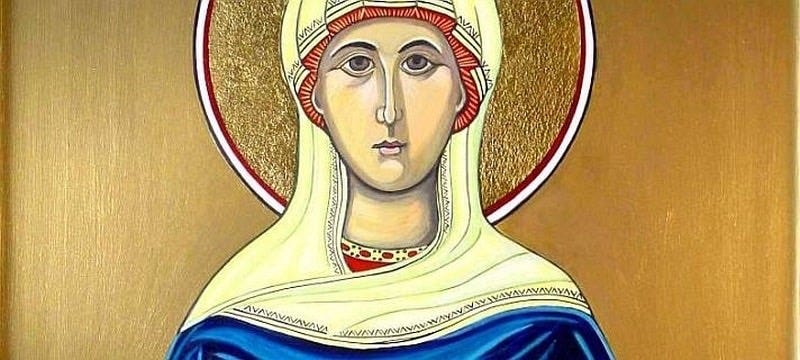
“Salute Andronicus and Junia, my kinsmen, and my fellow-prisoners, who are of note among the apostles, who also were in Christ before me.” Romans 16:7 (KJV)
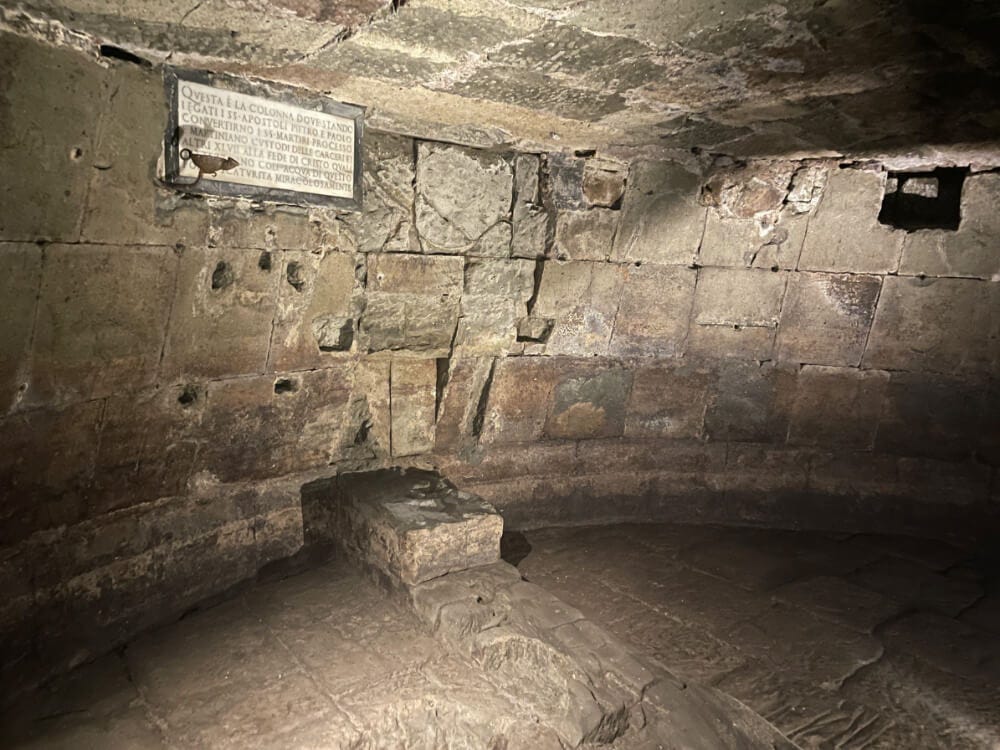
The mist hung cold along the Tiber, creeping through the cracked flagstones and damp arches of the imperial city. In a small, rented room beneath the shadow of towering pagan monuments, a woman named Junia swept the hearth. She commanded no legion, held no civic office, and wore no purple robes. Her hands bore the rough edges of common work, and her wrists bore something else- the faint, pale rings left behind by iron chains.
She had tasted the dark, suffocating air of a Roman dungeon.
Beside her sat Andronicus, her kin, her fellow traveler in hardship and hope. Together, they carried a treasure older than Paul’s own calling. Long before the fiery Pharisee was knocked to the dust on the Damascus road, Junia had already bowed to the Nazarene. She belonged to the dawn of the church. She had carried the good news through dusty provincial roads, through quiet hostility, through barred doors and sleepless nights, all the way into the pulsing, dangerous heart of Rome.
When the Apostle Paul dipped his reed pen into black ink to greet the believers in the capital, he did not overlook her. In the sixteenth chapter of his letter to the Romans, tucked near the close of words that would shake continents, Paul penned an extraordinary tribute. She was his fellow countryman. She walked with Christ before he did. She had occupied a prison cell. And then came words that centuries could not quiet: she was outstanding among the apostles.
Four centuries later, the eloquent preacher of Antioch and Constantinople, John Chrysostom, stopped in sheer wonder before her name. Known across the empire as the Golden-Mouthed, Chrysostom looked squarely at Paul’s letter and proclaimed to his congregation: “To be an apostle is something great. But to be outstanding among the apostles – just think what a wonderful song of praise that is! Indeed, how great was the wisdom of this woman, that she was even deemed worthy of the title apostle.”
Later generations would fumble with the grammar, and uneasy copyists would alter a letter to make her a man. But heaven does not lose the receipts of the faithful. God never forgot the cold stone floor where she prayed, nor the miles she walked with salt in her shoes and grace on her lips.
Junia never demanded a pedestal; she simply pointed to the cross. And long before Rome’s marble monuments crumbled into dust, her name was already settled in gold.
I chose to share Junia’s story on ReligiousLiberty.tv because her witness sits at the very heart of what religious freedom is all about: the sacred right of conscience to answer God’s calling, regardless of state edicts, cultural hierarchies, or institutional gatekeeping. Junia endured imprisonment under an authoritarian empire and faced the quiet erasure of later scribes, yet her life reminds us that true freedom of belief was never granted by human authorities; it was lived out courageously by ordinary believers who placed their ultimate allegiance in a higher truth.
Subscribe and Share