The Table-Turner’s Foreclosure: Why Jesus Wasn’t Just Losing His Temper
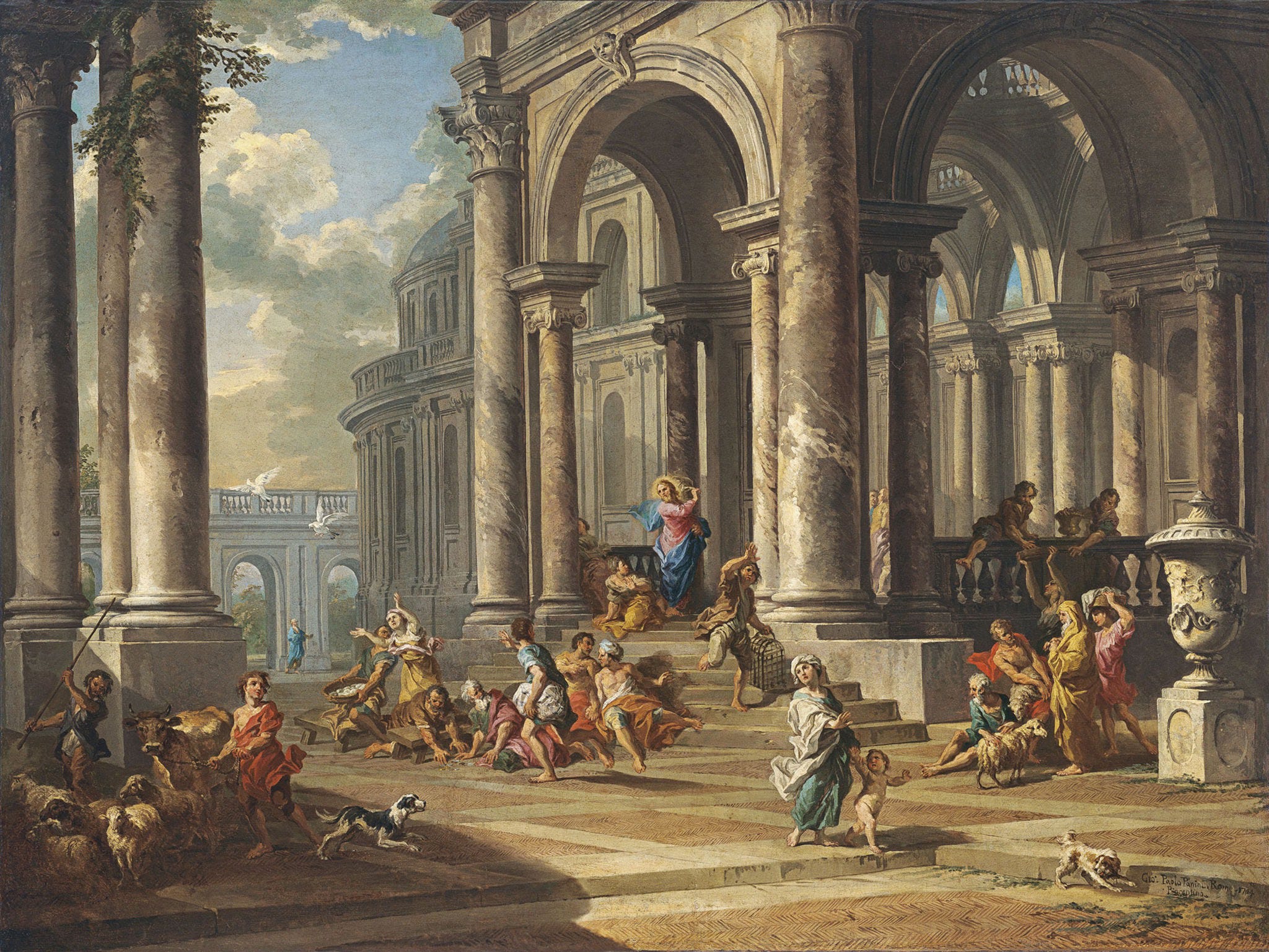
We’ve all seen the dramatic Sunday school depictions: Jesus, eyes wild, braiding a whip in a sudden fit of rage, sending coins flying and doves scattering across the temple courts. It is often framed as an uncharacteristic loss of emotional control ”a holy temper tantrum.
In the first-century Mediterranean world, Jesus’s actions were not viewed as an erratic outburst. They were recognized as a deliberate, universally understood legal declaration: he was serving the Temple establishment a public writ of bankruptcy.
The Legal Code of the Broken Bench
To understand the scene in the Court of the Gentiles, you have to understand how commerce worked in the Greco-Roman world. The Greek word for a banker or money changer is trapezitas, derived from trapeza, the literal table or bench from which they operated (in Latin, the mensarius at his mensa).
In ancient civic life, these tables were public institutions. When a banker defrauded clients, charged extortionate rates, or could no longer back their liabilities, a magistrate or wronged authority would publicly overturn or smash the table (mensam evertit).
This ritual was the literal origin of the word bankruptcy (from the Italian banca rotta, or “broken bench”). Overturning the counter was a formal, visual decree to the entire city: This institution has violated its charter, defaulted on its debts, and is hereby stripped of its authority to trade.
The Temple Racket
The system operating in Jerusalem during Passover was less of a worship space and more of a state-sanctioned financial cartel run by the high-priestly aristocracy:
The Currency Monopoly: Pilgrims traveling from across the empire were forbidden from paying the annual temple tax in Roman or provincial coins bearing pagan imagery. They were forced to exchange their money for local Tyrian shekels—at exorbitant exchange surcharges.
Predatory Sacrificial Pricing: Unblemished animals were mandatory for sacrifice. Priestly inspectors routinely disqualified livestock brought from home, forcing worshippers to buy pre-approved animals, specifically doves, the designated offering for the poorest widows and peasants at massively inflated prices.
Crowding Out the Nations: All this trading was set up in the Court of the Gentiles– the only area of the Temple complex where non-Jewish seekers were permitted to pray, effectively drowning out worship with the din of a noisy bazaar.
What “Den of Robbers” Actually Meant
When Jesus overturned those counters, he accompanied the legal gesture with a specific prophetic indictment:
“My house shall be called a house of prayer for all nations, but you have made it a den of robbers.”
Modern readers assume “den of robbers” simply means a place where people get ripped off. To his listeners, this was a direct quote from Jeremiah 7, and the distinction mattered profoundly.
A robber’s den is not where thieves commit robbery; it is the cave where bandits hide after committing their crimes to feel safe.
In Jeremiah’s day, the people oppressed the foreigner, the fatherless, and the widow, yet ran into the Temple chanting, “This is the temple of the Lord!” while treating God’s house as a spiritual safehouse that granted them immunity from judgment. By invoking Jeremiah, Jesus was confronting the corrupt priesthood with the same reality: they were running an extractive racket outside, then retreating behind sacred rituals to claim divine protection.
The Theological Foreclosure
Jesus didn’t overturn the tables because he lost his cool. He acted as a sovereign authority declaring the entire commodified religious apparatus morally, spiritually, and covenantally bankrupt.
By shattering the tables of currency conversion and sacrificial trade, Jesus signaled that the physical Temple had run its course. Access to God could no longer be privatized, monetized, or brokered by a predatory gatekeeping elite. The old ledger was closed, clearing the way for a kingdom where grace is neither bought nor sold.