The False Mercy of the Missed Connection
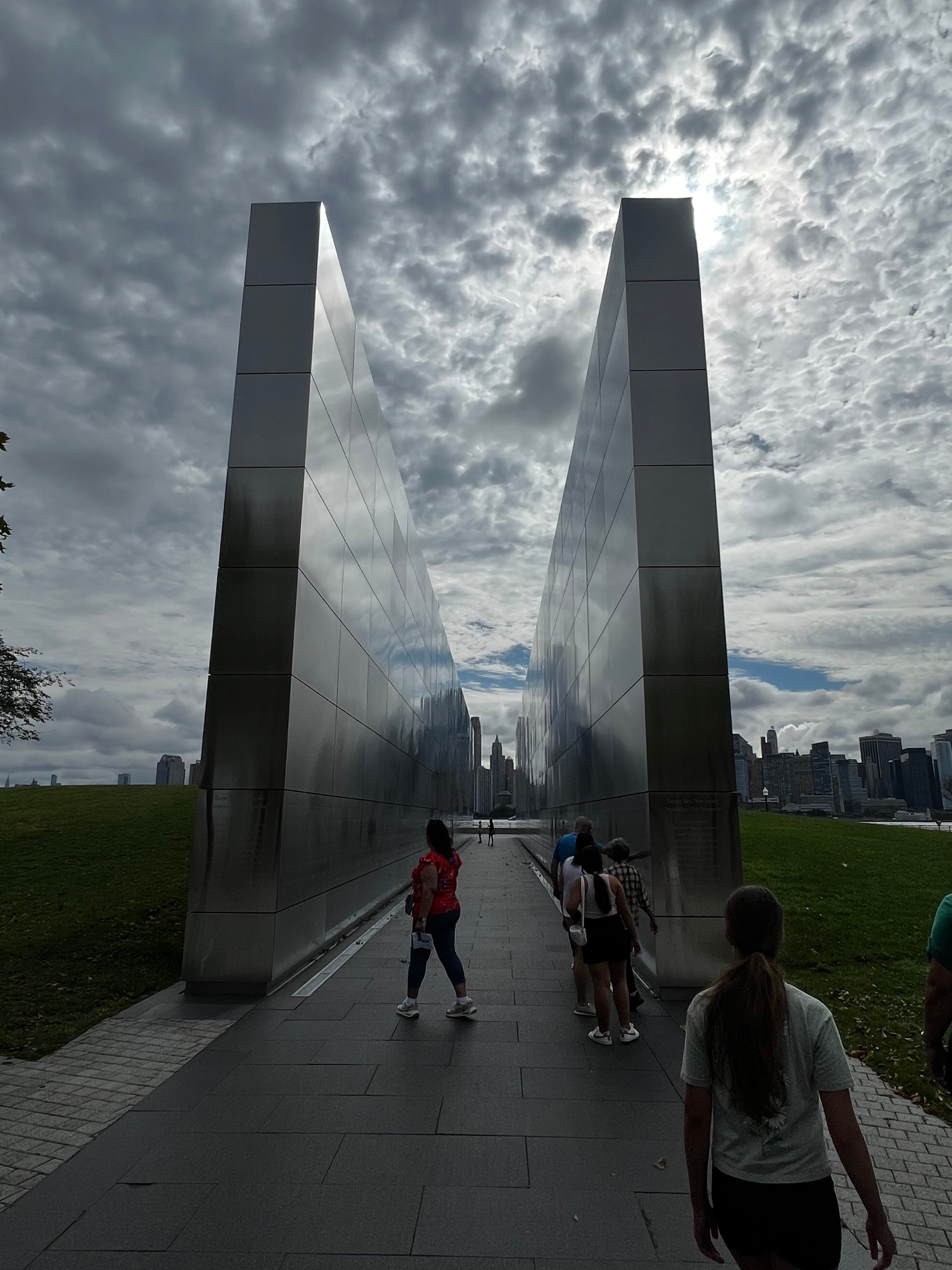
The alarm clock in Queens failed to sound. On a subway platform beneath Manhattan, a commuter dropped a transit pass between the train and the concrete platform edge. Across the Hudson in New Jersey, a spilled cup of coffee forced an executive back to his front door for a fresh shirt. For twenty-five years, these morning frustrations have circulated through American church communities as miracles of timing. Survivors recount the mundane delays that kept them away from the Twin Towers, interpreting their presence on the street as proof that God intervened on their behalf.
These stories reveal a persistent human desire to find order in devastation, yet they create a severe moral crisis for Christian theology. Claiming that God diverted select passengers away from Flight 175 or Flight 11 implies a terrible corollary: that the 2,977 victims died with divine consent. The belief transforms survival into a badge of spiritual favor, reducing the dead to an afterthought. Long before modern believers wrestled with catastrophic terror, Jesus addressed this exact impulse, rejecting the idea that righteousness protects the faithful from physical harm.
First-century Judea held a rigid view of catastrophe. Common wisdom taught that suffering was the direct consequence of personal wrongdoing. When Roman soldiers slaughtered Galilean worshipers in the temple, the crowds assumed the victims had earned their deaths. When eighteen day laborers died beneath the collapse of the stone tower of Siloam, Jerusalem viewed the crushed workers as uniquely wicked.
In Luke 13:1-5, Jesus rejected that premise. He asked his listeners whether the eighteen who died beneath the falling stones were worse offenders than everyone else in Jerusalem. His answer was absolute: “No, I tell you.” Jesus severed the link between personal holiness and physical safety. In the Sermon on the Mount, recorded in Matthew 5:45, he described a creator who “makes his sun rise on the evil and on the good, and sends rain on the just and on the unjust.”
The human impulse to construct a hierarchy of divine favor runs deep. People crave an orderly existence where good behavior guarantees safety. When disaster strikes without warning, attributing survival to a divine rescue mission provides immediate psychological relief.
Yet that comfort creates a spiritual wound for grieving families. If God stepped into history to stall an automobile engine in Brooklyn, did he abandon the father on Flight 93? Did he value the life of the survivor over the life of the victim? The Book of Job directly challenges this transactional faith. Job suffers the loss of his children, his wealth, and his physical health without committing any offense that justified such ruin. His companions insist that secret sin brought down the judgment of heaven, but God rebukes them for speaking falsely (Job 42:7).
The New Testament presents an existence marked by vulnerability. The Apostle Paul writes in Romans 8:35-39 that tribulation, distress, persecution, famine, nakedness, peril, and sword cannot separate believers from the love of God. Paul lists these horrors as real threats that strike the faithful directly. He does not promise an escape hatch from the physical realities of a fallen creation.
Equating survival with holy selection degrades the Christian message into a self-serving prosperity gospel. It turns faith into a private shield against danger, ignoring the reality that saints and sinners board airplanes, work in high-rise buildings, and walk city streets together.
Grace in the biblical tradition operates differently. It does not manifest as special treatment on an airline manifest. True grace appeared in the actions of the first responders ascending the dark stairwells of the World Trade Center. It spoke through the final telephone calls from thirty thousand feet, where men and women offered words of forgiveness to their families.
The stones that fell at Siloam obeyed gravity. The jet fuel that burned in Lower Manhattan followed the laws of chemistry. To honor the dead, believers must abandon the search for cosmic favoritism in the ash of disaster. The alarm clock that failed to ring in Queens remains an ordinary piece of plastic and wire. Faith asks the living to live with the grief of an unpredictable world, trusting that the mercy of God stands with the broken, rather than assuming heaven chose some lives as more precious than the rest.