The Monument of Silicon: Entering the Age of the Terafab
“So we aspire to be a galactic civilization. I think the future that everyone — well most people I think would agree — is the most exciting is one where we are out there among the stars, where we are not forever confined to one planet, that we become a multiplanet species.” – Elon Musk announcing Terafab, April 6, 2026
AUSTIN, Texas – To stand on the sun-baked soil of Grimes County, Texas, is to watch the boundary line between science fiction and hard reality dissolve into dust. Here, on a stretch of land that will soon anchor the most ambitious industrial project in human history, heavy machinery is breaking ground on a complex that defies standard architectural imagination. Known as the Terafab, this joint venture between SpaceX, Tesla, and Intel is projected to span more than one hundred million square feet. When fully realized, it will be roughly fifty times the size of the Pentagon, standing as the largest and most valuable building on Earth.
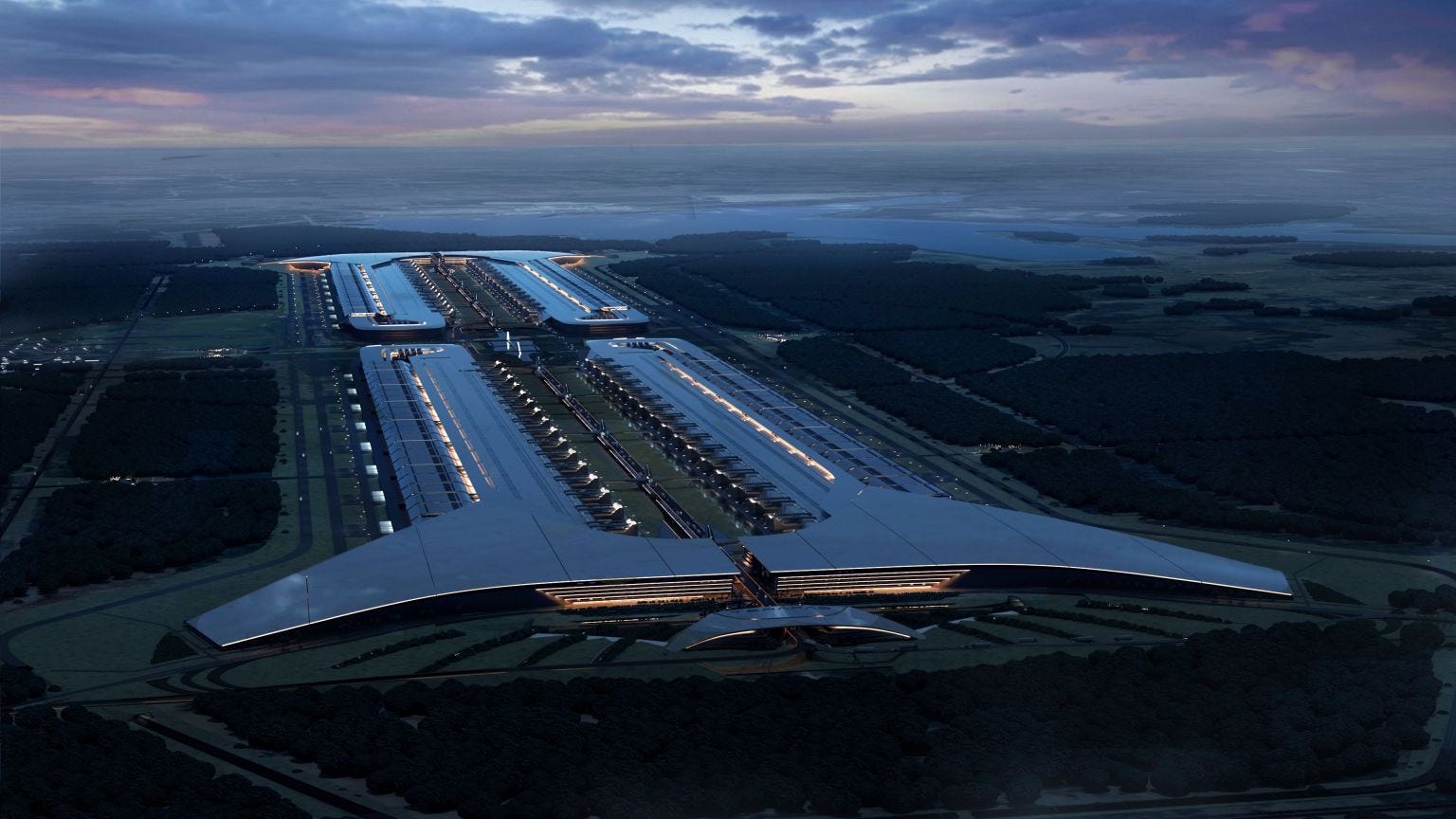
Yet the true magnitude of the Terafab is not measured merely in square footage or billions of dollars in capital investment. Its purpose is to manufacture more than one terawatt of artificial intelligence compute capacity every single year. To those outside the tech ecosystem, these numbers sound like abstract hyperbole pulled from a futuristic thriller. But the concrete is pouring, the partnerships are forged, and the physical foundations of a completely new world order are rising from the Texas earth.
We are witnessing the frantic, monumental construction of an industrial engine designed to automate the planet.
Intro Video:
https://youtu.be/HcxEGykMZc4?is=OPbWCk4kQnjK5PVr
For years, the artificial intelligence revolution operated like a ghost in the machine, restricted by the fragile limitations of global semiconductor supply chains and strained electrical grids. Chips were treated as precious, scarce commodities. The Terafab shatters that limitation by bringing logic design, memory fabrication, advanced packaging, and rigorous testing under one colossal roof. By producing chips at an unprecedented scale, the facility aims to feed the computational hunger of millions of autonomous Cybercabs, fleets of Optimus humanoid robots, and orbital data networks that stretch out into the solar system.
The societal implications of this manufacturing leap are profound and immediate. We are hurtling toward a near future defined by total automation. Routine cognitive tasks, complex logistics, and physical labor are plunging toward zero marginal cost as specialized robotic systems take over the physical operations of civilization. Traditional economic models, built on centuries of human scarcity and manual output, are facing structural obsolescence. Society is shifting toward a baseline where intelligence and physical execution are as cheap, ubiquitous, and unconsidered as running water.
This transformation forces us to confront an uncomfortable question. What does it mean to be human when the traditional definitions of work, utility, and production are completely absorbed by machines?
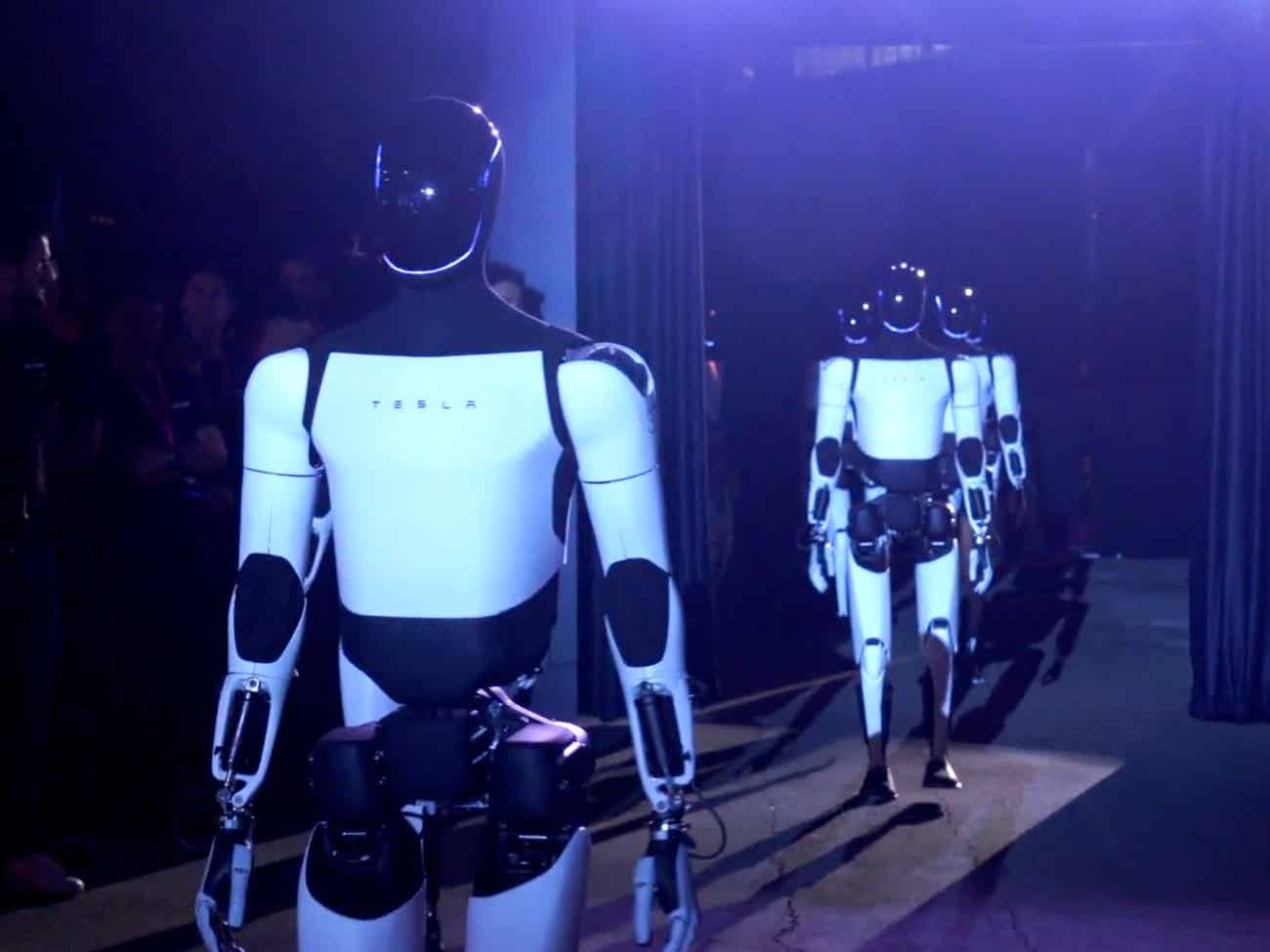
Throughout history, human identity has been inextricably tied to labor, struggle, and craftsmanship. We defined our worth through what we built, how we solved physical problems, and the sweat of our daily endeavors. In an automated world where an army of silicon-brained systems can design, construct, and optimize physical reality faster and cheaper than any biological agent, we risk losing our traditional sense of purpose. If the machine can do everything better, faster, and cheaper, the danger is that humans will slip from being the active creators of civilization into becoming its passive spectators.
This brings us to a deeper, more perilous precipice, which touches directly on the realm of the spirit and religious freedom.
As the infrastructure of a technocratic cosmocracy expands, the pressure to optimize every facet of human existence will intensify. A system built on terawatt-scale compute and absolute efficiency has no native room for inefficiency, mystery, or the unquantifiable nature of the human soul. The ultimate danger of this technological epoch is not a sudden, violent apocalypse of fire and steel. It is a quiet, seductive absorption. It is the voluntary surrender of individual conscience, moral agency, and spiritual independence in exchange for seamless, frictionless comfort.
Religious and philosophical traditions have long protected the sacred sanctity of the unmeasured mind. They defend the idea that human dignity exists independently of economic output, algorithmic validation, or state utility. In an era where every preference, movement, and thought can be anticipated and guided by hyper-scale intelligence, freedom of conscience becomes an endangered species. True spiritual freedom in the coming decades will not merely mean the right to gather in houses of worship. It will mean the fundamental right to remain unoptimized. It will require the courage to harbor thoughts that defy data collection, to cherish silence, and to reject the totalizing claims of a digital hive mind.
The concrete floors being poured in Texas are laying down the tracks for our collective future. We cannot stop the march of technology, nor should we dismiss the potential of material abundance and scientific discovery it promises. But we must wake up to the gravity of what is happening around us.
We must consciously choose to master our tools rather than allowing our tools to master us. Preserving our humanity in the age of the Terafab requires a deliberate spiritual and cultural resistance, ensuring that as we build monuments of staggering intelligence, we do not hollow out the human soul in the process.