The Scaffolding of Faith: Why Religious Freedom Matters Every Day
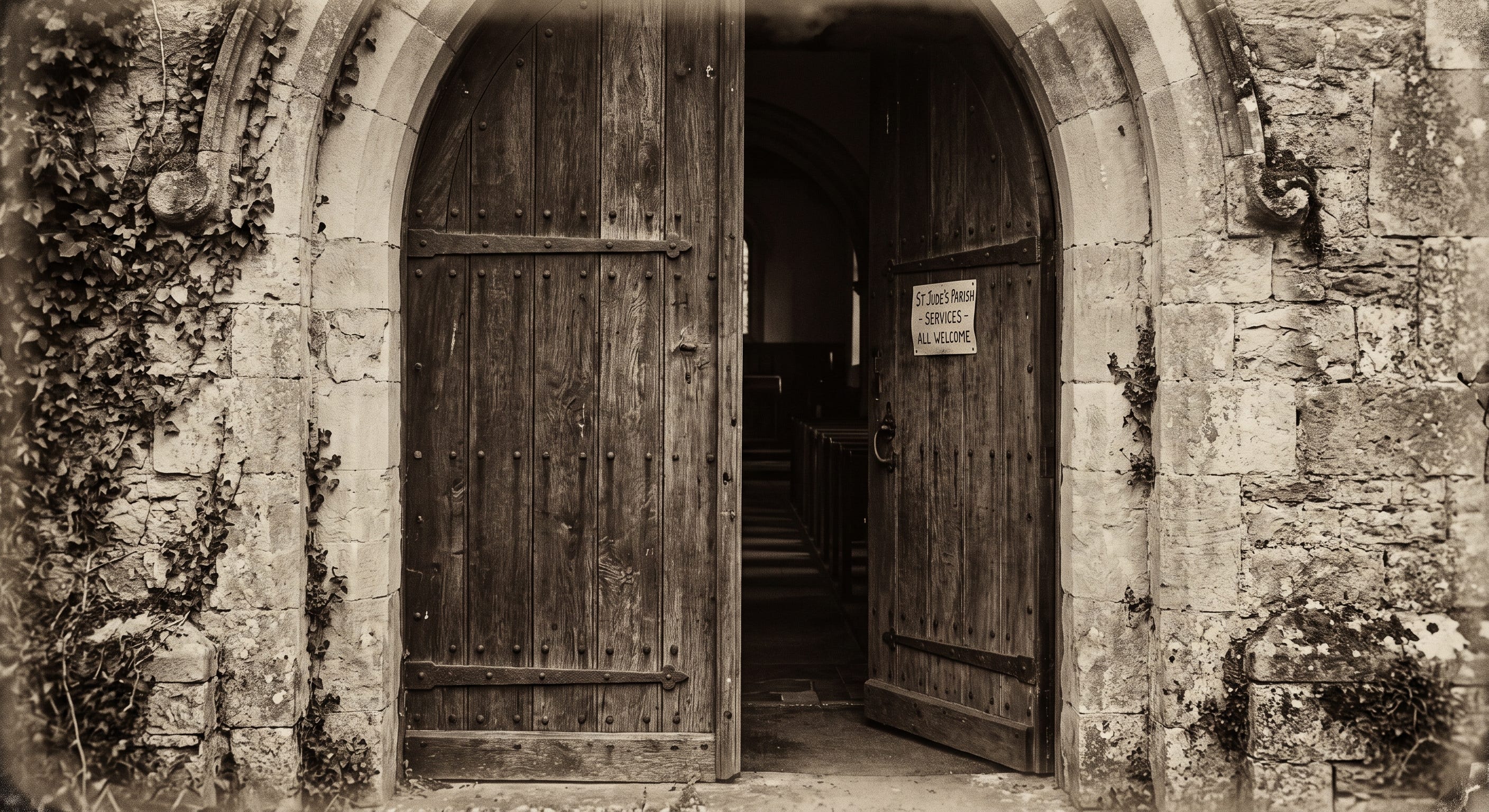
I am often asked by friends and fellow believers why religious freedom should matter to us right now. Usually, this question comes up in casual conversation. They point out that we live in a free country where our church doors are open and our Bibles are easily accessible. “Why worry about something we already have?” they ask. Or they ask, “Why worry about religious freedom when we know it won’t last forever?”
They are fair questions. For many Christians living in the world’s modern democracies, religious freedom feels a lot like oxygen. Because it is everywhere, it is easy to forget it is there at all. We wake up, read our Bibles, attend church, and share our faith with friends, rarely stopping to consider the profound privilege of doing so without fear of government reprisal or overwhelming societal coercion.
Because we already live in a free country, it can be tempting to treat religious liberty as a distant concern, something for missionaries in hostile nations to worry about, or a mere political talking point. But religious freedom is far more profound than a constitutional right. For the Christian, it is a vital, daily supporting ministry for the greater work of the Gospel.
Here is why Christians should care deeply about preserving this freedom today, and how we can do so without losing sight of the Kingdom.
Beyond the Horizon of the “End Times”
Often, when the topic of religious liberty is raised in church circles, the conversation quickly shifts to the horizon of prophecy. It becomes a discussion about “end time events,” persecution, and apocalyptic warnings. While maintaining a biblical awareness of the future is part of the Christian walk, reducing religious freedom to a purely prophetic warning misses its present, everyday value.
The truth is, religious freedom is a daily reality that matters right now. Regardless of whether the end of time is one year away or several centuries away, we are called to faithfully steward the time, communities, and lives we share today. When we only view religious liberty through an apocalyptic lens, we operate out of fear. When we view it as a present day blessing, we operate out of gratitude, using our freedom to build, love, and serve our neighbors in the here and now.
Making Space for the “Still Small Voice”
God rarely shouts. In the book of 1 Kings, the prophet Elijah does not find God in the wind, the earthquake, or the fire, but in a “still small voice” (1 Kings 19:12).
Hearing that voice requires space, quiet, and an uncoerced heart. This is the deepest spiritual purpose of religious freedom: it prevents the government and society from becoming the wind, the earthquake, and the fire.
When a society is free, it allows individuals to encounter God on their own terms. Faith, by its very nature, cannot be forced. Coercion can produce outward compliance, but it can never produce inward conversion. True religious freedom ensures that when a person responds to the Gospel, they are doing so because their heart has been genuinely moved by the Holy Spirit, not because they are bowing to government mandates or buckling under intense social pressure. As Joshua declared to the Israelites, “Choose for yourselves this day whom you will serve” (Joshua 24:15). A genuine choice demands the freedom to make it.
Just as faith cannot be forced, neither can secularism. It is a remarkably tight, delicate balance. A government that forces religious observance violates the human conscience, but a society that violently enforces secularism and drives all faith from the public square does the exact same thing. True liberty requires the humility to let people wrestle with ultimate truths in the open, honoring the dignity of human free will.
A Supporting Ministry to the Gospel
In this light, we can view the defense of religious liberty not as the central mission of the Church, but as a crucial supporting ministry.
Think of religious freedom as the scaffolding around a beautiful cathedral. The scaffolding is not the masterpiece; the cathedral is. But without the scaffolding, the builders cannot do their work. The Gospel, the message of grace, redemption, and love, is the masterpiece. Religious freedom is simply the legal and societal scaffolding that allows the church to preach, serve, and worship unhindered.
This is exactly what the Apostle Paul urged when he told Timothy to pray “for kings and all those in authority, that we may live peaceful and quiet lives in all godliness and holiness” (1 Timothy 2:2). We do not worship the scaffolding, but we maintain it because we care deeply about the quiet, peaceful work it makes possible.
Keeping the Main Thing the Main Thing
Because religious freedom often intersects with the courts and the legislature, there is a very real danger for Christians living in free societies: the temptation to let politics overshadow piety.
It is easy to become so consumed by legal battles, political debates, and culture wars that we lose the very thing we are fighting to protect. Talk about politics or the law should never replace quiet time, prayer, and deep reflection on the Word of God. If we spend more time consuming political commentary about our rights than we do reading the Gospels, our priorities have become inverted.
The law exists to make faithful living possible, not to overshadow it. The goal of advocating for our freedoms is simply to ensure that the door remains open for the Gospel to be preached and lived out in love.
Enter the Cathedral Today
Ultimately, all of this scaffolding is worthless if we never step inside the cathedral. We fight for the right to read our Bibles, but are we actually reading them? We protect the freedom to gather, but are our hearts truly present when we worship?
Do not let the noise of the culture or the comfort of our current freedoms lull you into spiritual apathy. The author of Hebrews urgently reminds us, “Today, if you hear his voice, do not harden your hearts” (Hebrews 4:7).
If you have let the arguments of the day replace your adoration of the Savior, if you have allowed the blessing of living in a free country to make your faith comfortable and complacent, let today be the day you return to Him. Surrender the distractions, the anxieties about the future, and the political noise. Recommit your heart to Jesus Christ right now. Use the beautiful, fragile freedom you have been given today not just to argue for rights, but to fall to your knees, listen for that still small voice, and fall in love with your Creator all over again.
“The Gospel”
Ryan Stevenson
A restless generation, we’re turning over every stone
Hoping to find salvation in a world that’s left us cold
Can we get back to the altar, back to the arms of our first love?
There’s only one way to the father and he’s calling out to us
To the captive it looks like freedom
To the orphan it feels like home
To the skeptic it might sound crazy
To believe in a God who loves
In a world where our hearts are breaking
And we’re lost in the mess we’ve made
Like a blinding light in the dead of night
It’s the Gospel, the Gospel that makes a way
It’s the cure for our condition, it’s the good news for us all It’s greater than religion,
it’s the power of the cross
So can we get back to the altar, back to the arms of our first love?
There’s only one way to the father and he’s calling out to us
To the captive it looks like freedom
To the orphan it feels like home
To the skeptic it might sound crazy
To believe in a God who loves
In a world where our hearts are breaking
And we’re lost in the mess we’ve made
Like a blinding light in the dead of night
It’s the Gospel, the Gospel that makes a way
In my own life it means forgiveness, when I know I deserved the fall
It called me out of my darkness, and carried me to the cross
In a moment my eyes were opened, in that moment my heart was changed
Like a blinding light in the dead of night it’s the gospel
To the captive it looks like freedom
To the orphan it feels like home
To the skeptic it might sound crazy
To believe in a God who loves
In a world where our hearts are breaking
And we’re lost in the mess we’ve made
Like a blinding light in the dead of night
It’s the Gospel, the gospel that makes a way
Lyric video directed by Tanner Johnston. Creative Direction by Brad Moist. Music produced & mixed by Bryan Fowler for Fabmusic. Mastered by Ambient Digital. Written by Ryan Stevenson, Bryan Fowler & Toby McKeehan. Spoken word passage written by Baxter Kruger from the book Patmos. ©2017 Gotee Records, Inc.