Pepperdine and Founders’ First Freedom Bring the Religious Freedom Conversation Home to Malibu
The view from Pepperdine’s law school in Malibu runs straight out to the Pacific. For three days in early June the people gathered there kept their attention on something harder to see, the future of religious freedom.
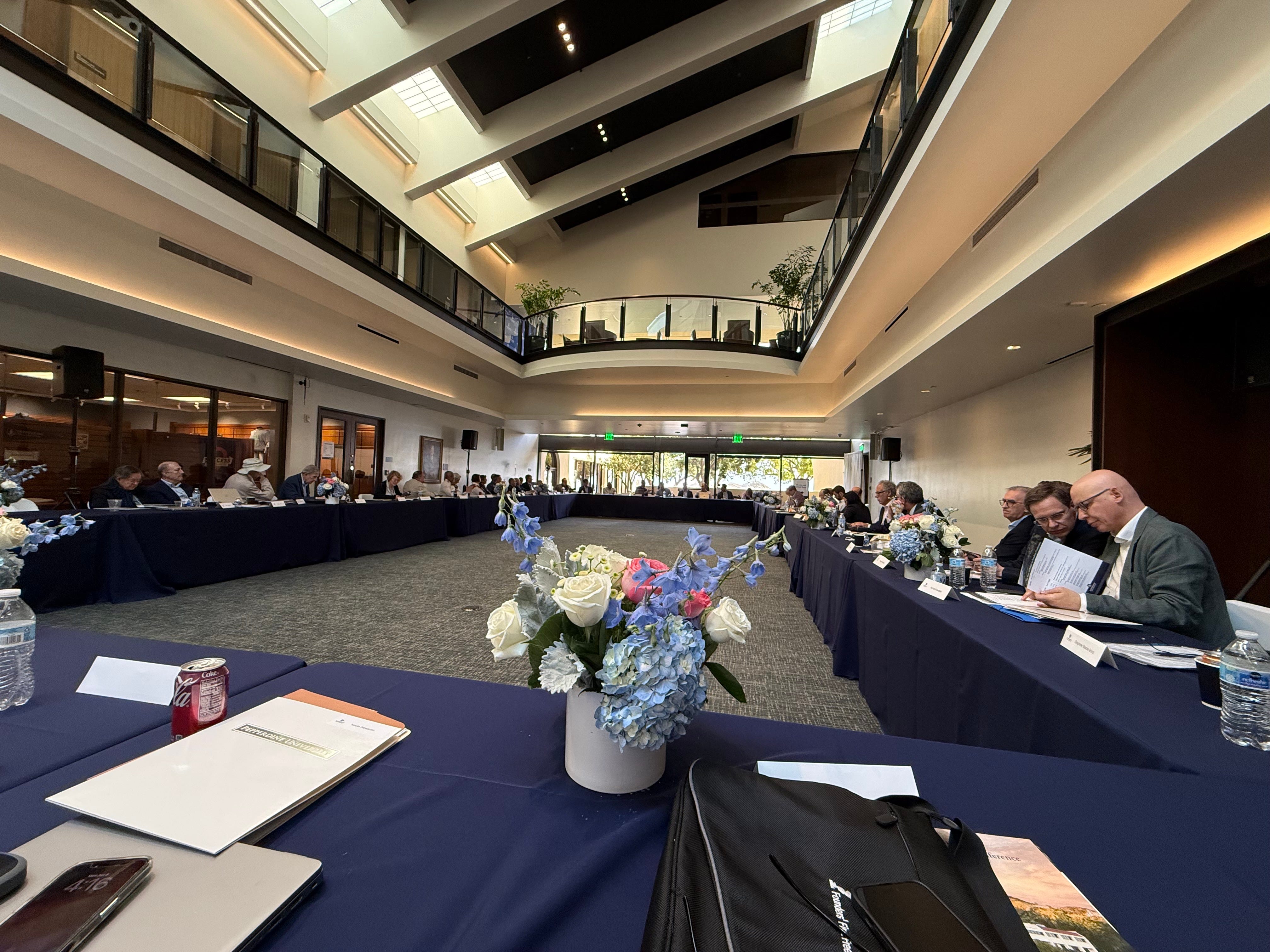
From June 7 to 9, the Caruso School of Law convened the Second Annual State of Religious Freedom Conference. The program drew federal judges, foreign jurists, leading scholars and seasoned advocates to the Malibu bluffs for a sustained argument about how free societies protect conscience. The Ken Starr Institute for Faith, Law, and Public Service and the Nootbaar Institute on Law, Religion, and Ethics organized the gathering, in partnership with the Centre for Law and Religious Freedom at Jagiellonian University in Kraków, Poland.
Founders’ First Freedom was a sponsor of the conference, as it has since 2024.
Founders’ First Freedom is a California nonprofit founded in 2005. It promotes liberty of conscience and favors a cooperative approach to the disputes that religious freedom cases so often produce. A gift to the Nootbaar Institute in 2023 launched the annual conference and expanded the institute’s fellows program. The organization backed the first Malibu gathering, underwrote last year’s edition at Pepperdine’s Château d’Hauteville campus in Switzerland, and brought the conversation back to the California coast this June.
“Pepperdine has a gift for bringing serious people together in places that make serious conversation possible,” said Michael Peabody, president of Founders’ First Freedom. “We are glad to help convene this work, and we look forward to the collaborations still ahead.”
Jim Gash, president and chief executive of Pepperdine University, opened the first full day. The morning belonged to history. A panel on tradition in religious liberty adjudication, moderated by Chief Judge Matthew H. Solomson of the United States Court of Federal Claims, set former Solicitor General Noel Francisco alongside scholars Thomas Berg, Andrew Koppelman, Lael Weinberger and appellate advocate Erin Murphy. The questions were old. They asked how far history and tradition should govern a modern free exercise claim, and what to do when the historical record cuts in more than one direction.
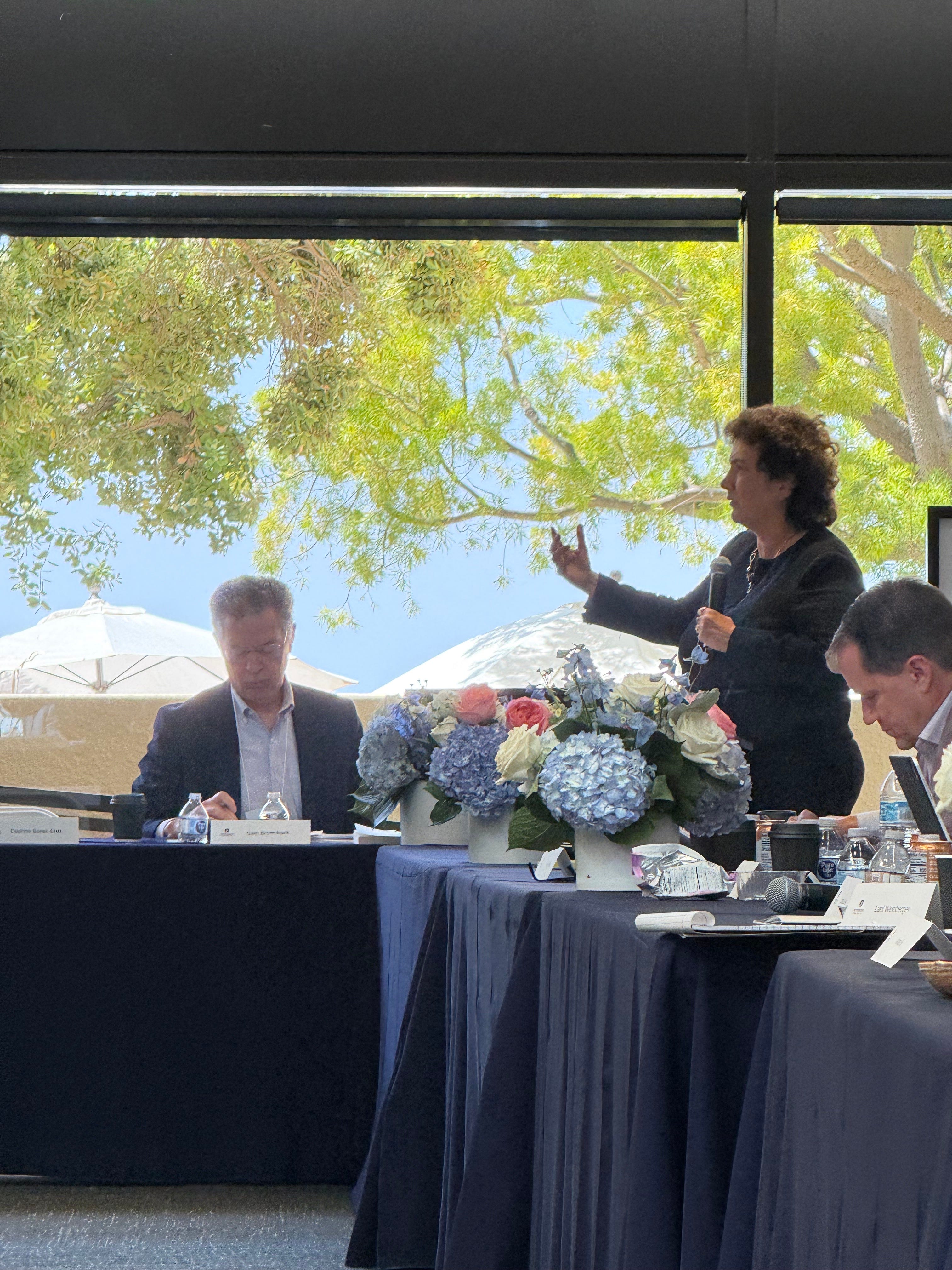
The conference then widened its lens. Former Ambassador Sam Brownback moderated a comparative panel that carried real weight, with Justice Daphne Barak-Erez of the Supreme Court of Israel, Ignacio Sancho Gargallo of the Civil Chamber of the Spanish Supreme Court and Ioannis Ktistakis, who presides over the Third Section of the European Court of Human Rights. American jurists Kevin Newsom and Brantley Starr joined them. For a field that can grow parochial, the reminder that other constitutional democracies wrestle with the same tensions landed well.
The lunch hour kept the pace. A panel on the Ten Commandments in public schools, moderated by Ninth Circuit Judge Kenneth K. Lee, took up a question now moving through the lower courts after Texas and Louisiana enacted classroom display laws. Becket’s Eric Rassbach and scholars Stephanie Barclay, Alan Brownstein, Mark Storslee and Anna Su mapped the establishment and free exercise lines the cases will test.
The afternoon turned practical and personal. A session on parental rights and religious exercise, led by Fifth Circuit Judge Don Willett, examined how far the Constitution lets parents direct the religious formation of their children. A second session, moderated by Fifth Circuit Judge Jennifer Walker Elrod, took on government funding and religion, the live question of when public money may flow to religious institutions and on what terms.
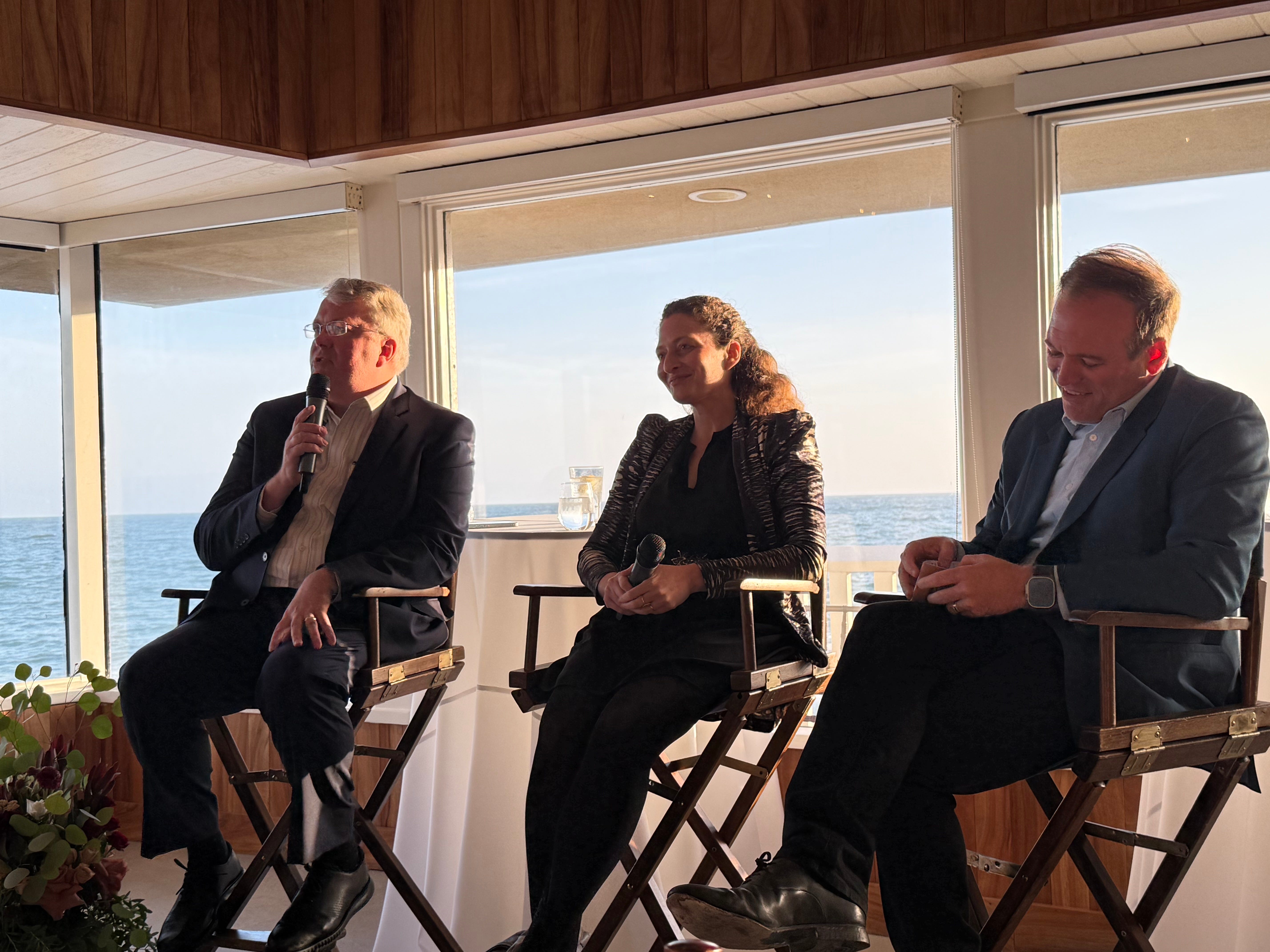
The day closed at Duke’s Malibu next to the ocean, where a dinner discussion on lessons from war and peace in the Middle East paired Rev. Johnnie Moore with Netta Barak-Corren of Hebrew University. Religious freedom, the evening underscored, is rarely an abstraction in much of the world.
Dean Paul Caron opened the second day. Ninth Circuit Judge Patrick Bumatay moderated a frank exchange among trial and appellate judges on how religious freedom cases actually get decided, with Danielle Forrest, Chad Readler, David Stras, Timothy Tymkovich and Josh Divine. A comparative session followed, drawing scholars from the Netherlands, Poland and the United Kingdom, including barrister Mark Hill KC and Brigham Young University’s Frederick Gedicks.
The final panel returned to the case that still defines the modern debate. A lunch discussion evaluating Employment Division v. Smith, moderated by Fourth Circuit Judge Marvin Quattlebaum, brought Gene Schaerr, Paul Horwitz, Audra Savage, Branton Nestor and Steven D. Smith to the question every free exercise lawyer eventually faces, whether Smith should stand and what would replace it if it falls.
By the close, judges from seven federal circuits had taken the podium. So had high court jurists from Israel, Spain and Strasbourg and scholars from more than a dozen law faculties. The range was the point. Conscience crosses every tradition and every border, and the conference treated it as the shared inheritance it is.
That spirit runs close to the convictions Founders’ First Freedom carries into its own work. Religious liberty holds best where church and state stay distinct, where officials are met with respect and cooperation, and where each person grants to others the freedom of conscience. The Golden Rule, written into public life. Three days on the Malibu coast argued the case in detail, and Founders’ First Freedom counted it a privilege to help make the argument possible.