Prominent professors and scholars gathered at Washington Adventist University’s Honors College from June 30 and July 4, 2026, marking the 250th anniversary of the signing of the Declaration of Independence. The conference, sponsored in part by Founders’ First Freedom, featured experts presenting on the Declaration’s history, meaning, and legacy, including historians, political philosophers, and lawyers from both the Adventist community and the larger scholarly community. The event opened with presentations by the three main organizers of the event.
Dr. Jonathan Scriven opened with an overview of a series of courses he had taught at WAU on the Declaration, placing the document in its American colonial contexts. He was followed by Dr. Christopher Banks, WAU Vice President of Student Success, who discussed the anti-caste and anti-hierarchy aspects of the Declaration, and the challenge that posed to the British system of aristocracy and tradition. Finally, Dr. Nicholas Miller put the Declaration in an even larger and older context, tracing its roots to the Magna Charta, and the tradition of limiting royalty by a written document. He noted the religious roots of such an endeavor, and how religious dissenters continued to influence constitutional movements.
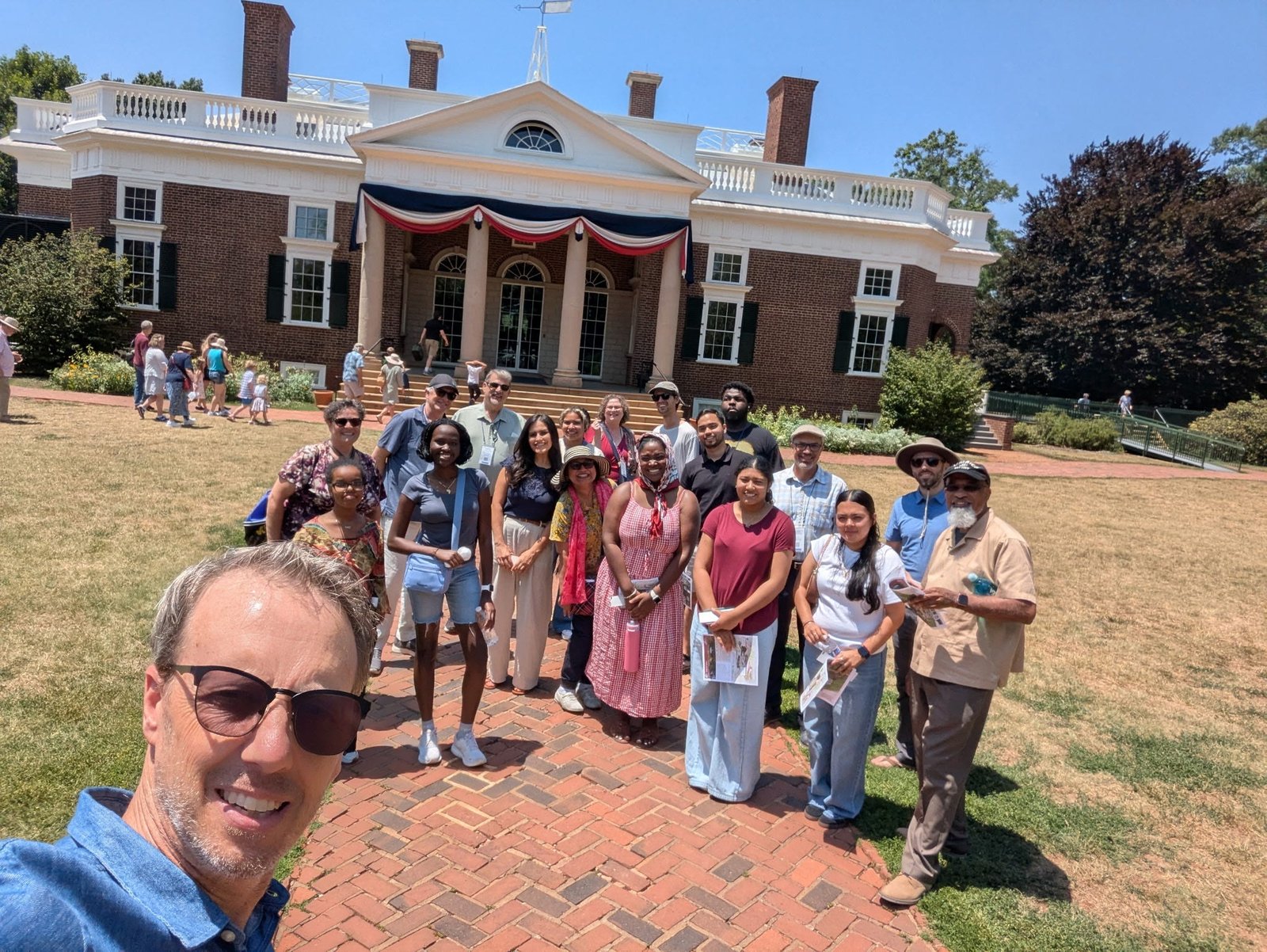
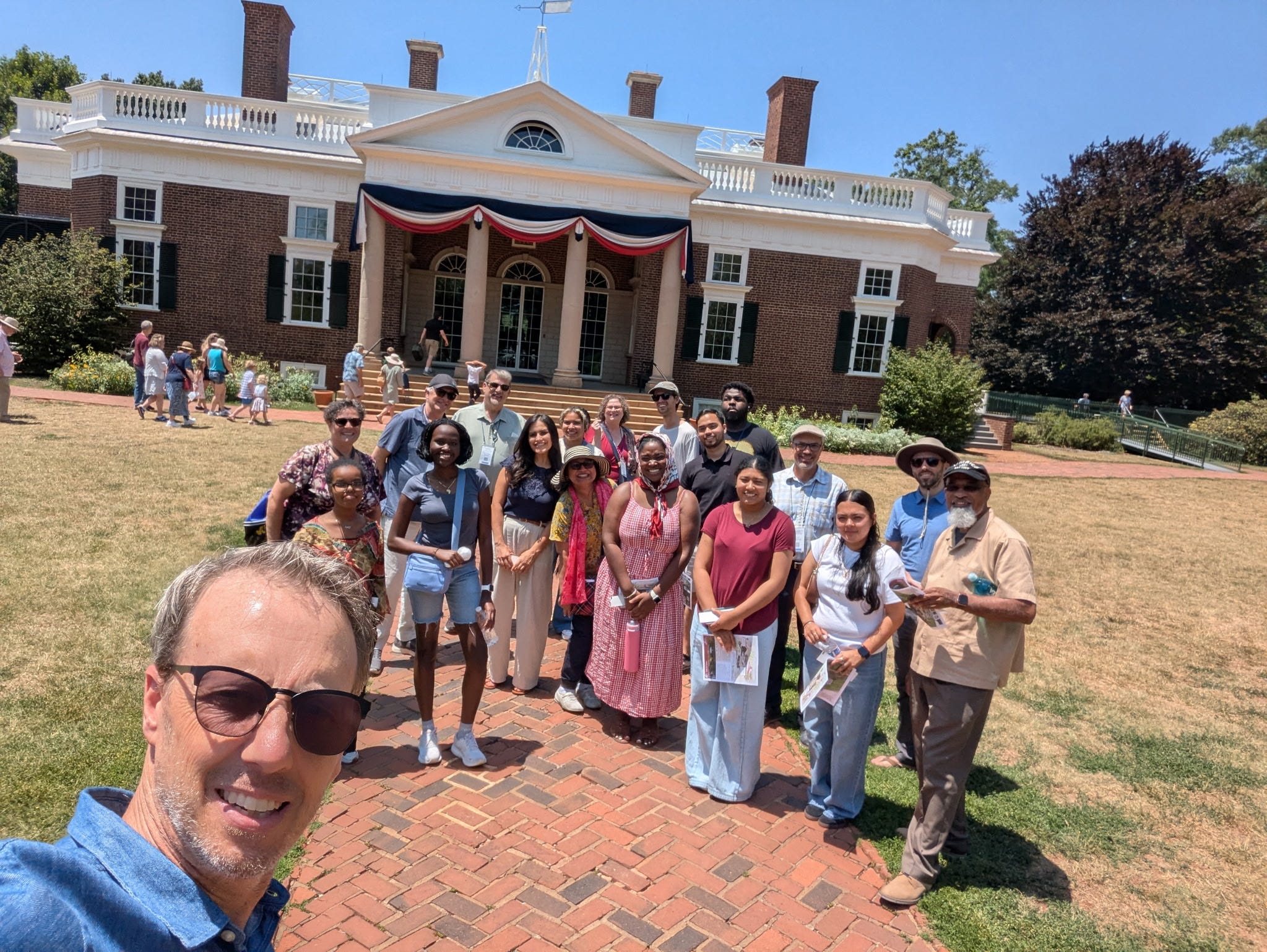
The opening session was followed by an opening conference Dinner, where attendees were treated to a keynote presentation by Dr. Ryan Reft, historian and curator at the Library of Congress. Dr. Reft previewed the new Library of Congress exhibit opening July 3, 2026, which focuses on the background, creation, and impact of the Declaration. The next day on July 1, conference participants took a full-day trip to Monticello, where they were treated to a guided tour of the primary author of the Declaration by a former graduate of Washington Adventist University.
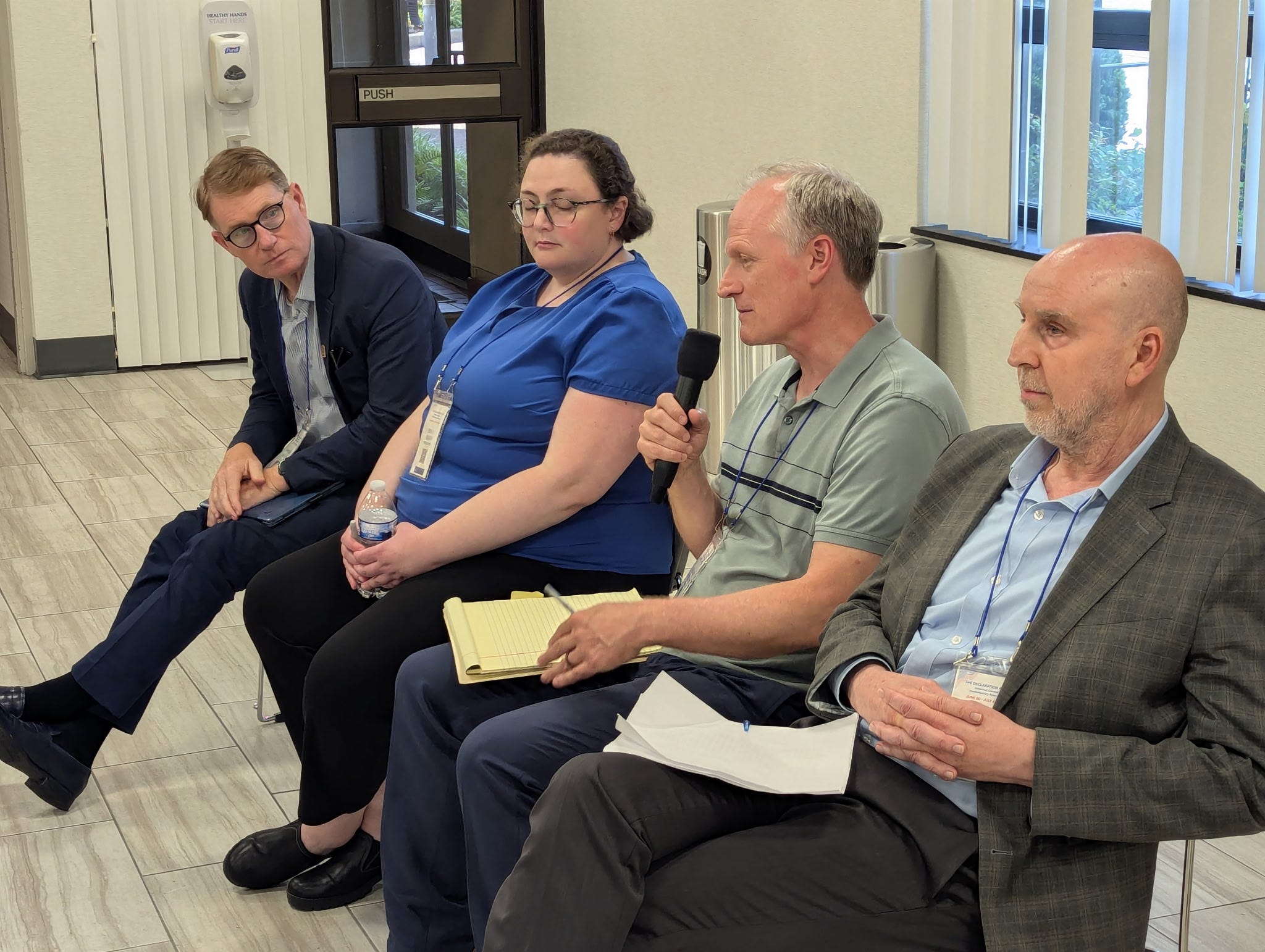
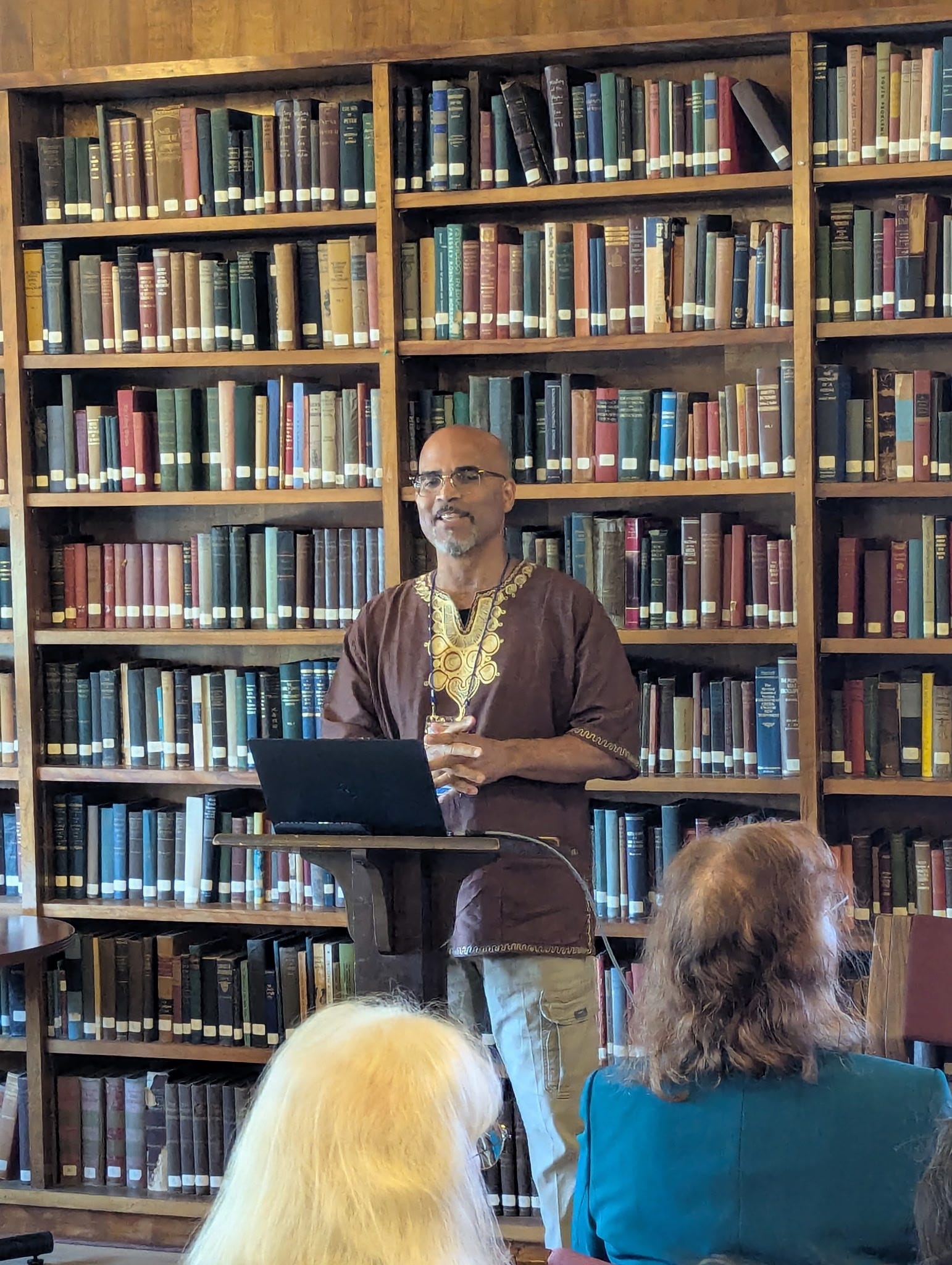
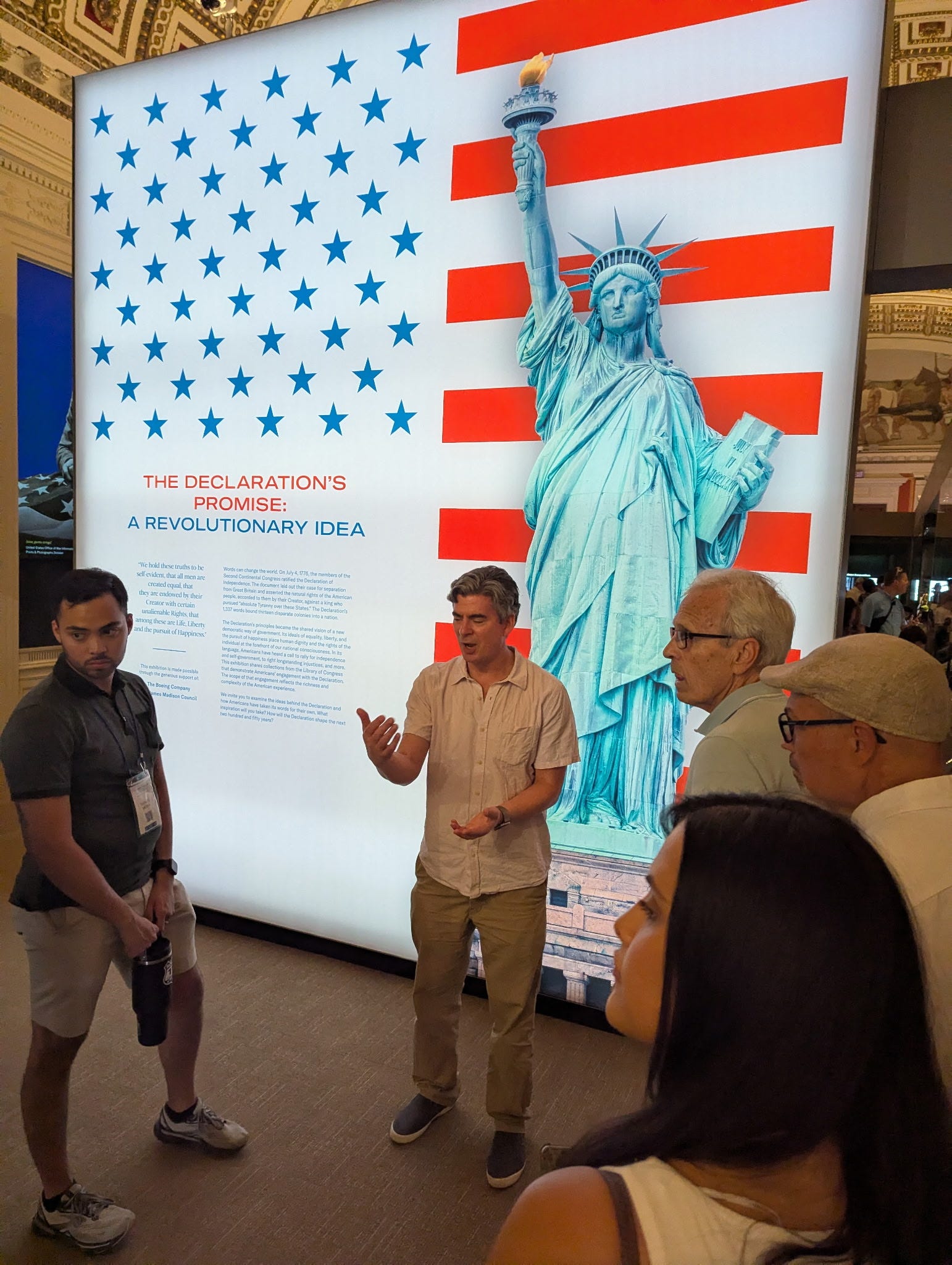
On July 2, there were a series of presentations in the morning dealing with marginalized and minority groups, including a presentation on women and the Declaration by Adventist attorney Sonja DeWitte, who revisited Abigail Adams’ missive to her husband, John Adams, intreating him to remember the ladies. Roy McCroy, director of the NAD’s office of literature ministries and frequent contributor to Message magazine, gave a moving presentation on the Declaration and slavery. That afternoon, conference attendees took a trip to Washington DC to participate in America 250 commemorations, including the National Archives, museums, and the Library of Congress. There they were able to visit the exhibit that Dr. Reft had lectured on previously at the opening night dinner.
Friday, July 3, brought the scholarly events of the conference to a climax. There were feature presentations by scholars who had written major works dealing with the Declaration and events surrounding it. Feature presentations were given by Dr. Gary V. Wood of Andrews University, who had written a book on John Quincy Adams and his use of the Declaration in his advocacy work for the abolition of slavery. This was followed by a major presentation by Dr. Denver Brunsman, historian and chair of the history department of George Washington University. Dr. Brunsman is producing a book on George Washington, and was able to explain how the Declaration was a product of both elite colonial thought, as well as being supported by the common people. Finally, Dr. Emily Sneff, early American historian and leading expert on the Declaration of Independence, gave a presentation on her new book When the Declaration of Independence was News. Dr. Sneff is a consulting curator for exhibitions marking the 250th anniversary of the Declaration at the Museum of the American Revolution, and was able to provide insights into how the Declaration was received by the local community and larger nation shortly after it was written.
That evening, the tenor and tone of the conference shifted to focus on topics of special interest to Adventists, including the connection of the Declaration with the development of religious freedom, the approach to the Declaration taken by Adventist pioneers, and how Adventist prophetic identity was connected to the principles of the Declaration. Some of the earlier presentations were reprised for this new context, and experts like Adventist attorney James Standish discussed topics of religious freedom, as well as how Adventists’ involvement in issues of anti-slavery, abolition, and temperance reform were inspired by the Declaration. On Sabbath morning, July 4, there was a special church service at Sligo Seventh-day Adventist Church, with a sermon given by former Sligo Senior Pastor Charles Scriven entitled “Jesus and the Fourth of July.” Pastor Scriven gave a powerful overview of Christ’s call to peacemaking and how the remnant has a special commission to bring peace to an increasingly fractured political community.
“Our goal was to create an experience that extended beyond the pages of a historical document,” said Dr. Scriven. “As a Seventh-day Adventist University, we believe it is important to engage history thoughtfully and honestly—celebrating the Declaration’s enduring ideals of liberty, equality, and human dignity while also recognizing that the nation has not always lived up to those principles. Understanding both its aspirations and its imperfections helps us better appreciate our history and challenges us to continue advancing the principles it so powerfully articulated.”
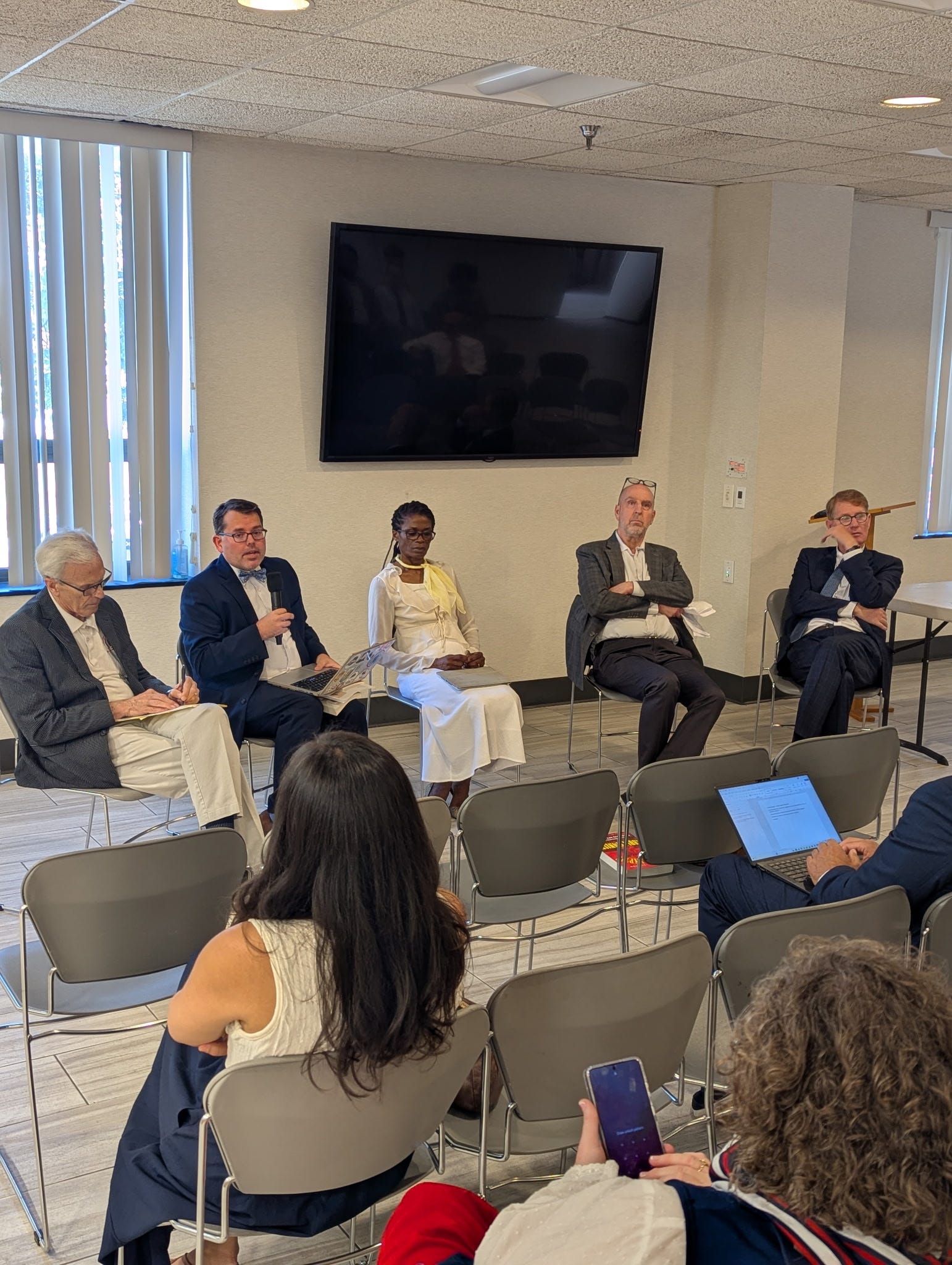
The conference concluded with an afternoon panel at the Church featuring further discussions on Adventist pioneers’ prophetic views and how these coalesced with the principles of the Declaration. A special guest from the North American Division, historian and archivist Dr. Michael Campbell, along with Seminary Church historian Nicholas Miller, talked about the Adventist views of Revelation 13, and how the lamblike horns of the beast there was viewed as encompassing the principles of the Declaration. The pioneers’ commitment to these principles was so strong that they included references to the Declaration and its embrace of human equality caused by a Divine Creator in an early statement of fundamental belief. Calls were made to re-invigorate the Adventist prophetic message today with these same principles of equality and freedom.
“We are proud to be a sponsor of this event commemorating our nation’s 250th birthday,” said Founders’ First Freedom president Michael Peabody, Esq. “It’s these kinds of events where people can really take their knowledge of why liberty matters to the next level.”
All in all, it was a rich feast of intellectual, historical, scholarly, prophetic and spiritual principles, ideas, and content. The organizers were very grateful to Founder’s First Freedom for their important support and contributions to making the conference possible. Founders’ First Freedom is a non-profit organization dedicated to promoting and educating the public about religious freedom issues. If you would like to help out, consider subscribing to this newsletter or inquiring about making a tax-deductible donation.
