Eleventh Circuit Affirms Dismissal in Airline Vaccine Mandate Suit, Sanctions Counsel for AI-Generated Citations
TLDR
The Eleventh Circuit Court of Appeals affirmed the dismissal of an employment lawsuit against Atlas Air and Flight Services International. The court found the aviation employees failed to state valid claims for a hostile work environment, privacy violations, or constitutional deprivations regarding pandemic policies. Crucially, the ruling highlights a severe ethical breach by the plaintiffs’ attorney who submitted briefs containing fabricated case citations generated by artificial intelligence. The court referred the attorney for disciplinary action. This decision protects corporate administrative enforcement of health protocols. It also establishes that internal disclosures of employee vaccination status do not constitute public privacy violations or extreme emotional distress.
Case Info:
Caption: Patrick Akerlund, et al., v. Atlas Air, Inc., and Flight Services International, LLC
Date: July 10, 2026
Decision: https://media.ca11.uscourts.gov/opinions/pub/files/202411033.pdf
The Eleventh Circuit affirmed the district court’s dismissal of the plaintiffs’ third amended complaint. The court ruled that it lacked personal jurisdiction over Flight Services International and that the plaintiffs failed to state any plausible legal claims against Atlas Air.
This ruling sets a firm boundary on post-pandemic employment litigation. It demonstrates the judiciary’s refusal to entertain improperly pleaded tort and discrimination claims against private employers enforcing health protocols. Furthermore, it serves as a stern warning regarding the integration of artificial intelligence in legal practice.
How does this ruling impact Religious Accommodations?
It clarifies that requiring masks and testing as an alternative to vaccination does not inherently create a hostile work environment under Title VII without specific factual allegations of discriminatory animus.
Facts
During the COVID-19 pandemic, Atlas Air and Flight Services International required employees to be vaccinated or obtain a medical/religious exemption.
Employees with exemptions were required to wear masks and undergo monthly testing.
Plaintiffs sued, alleging Title VII violations, FDCA violations, constitutional deprivations, and state torts including invasion of privacy.
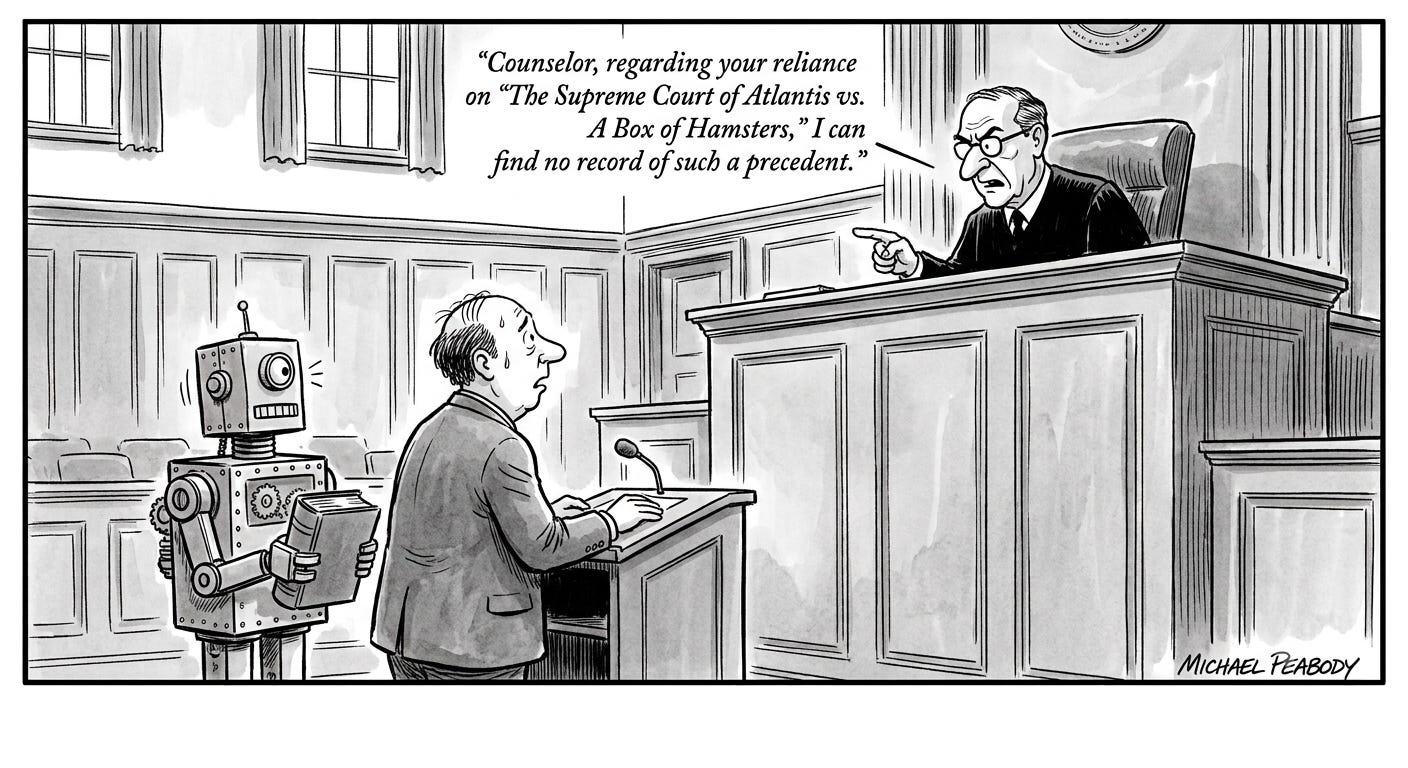
Plaintiffs’ counsel filed an opening brief and a proposed reply brief containing at least sixteen fabricated legal citations generated by AI software.
Arguments Presented
The plaintiffs argued that the vaccine mandates and subsequent accommodations violated their religious beliefs and constituted unwelcomed harassment. They also claimed the internal sharing of their vaccination status for administrative scheduling purposes was a tortious invasion of privacy and inflicted emotional distress.
Court Decision
The court decided to affirm the dismissal of all claims due to a lack of jurisdiction and a failure to state a claim.
Court’s Reasoning
The court held there was no personal jurisdiction over Flight Services International because the Texas-based company’s brief training sessions in Florida did not establish general or specific jurisdiction. For Atlas Air, the Title VII claims failed because the plaintiffs alleged no facts showing discriminatory intent toward their religious beliefs, only logistical and political objections to masks and tests. The FDCA claims were dismissed because only the federal government can bring enforcement actions under that statute. The constitutional claims failed because Atlas Air is a private company, and the court refused to extend Bivens liability. The invasion of privacy claims failed because sharing vaccination status internally to assign shifts is not a disclosure to the public at large.
The Eleventh Circuit’s refusal to extend Bivens liability to a private federal contractor strictly adhering to executive orders maintains the high barrier for establishing constitutional torts against private actors. The court relied on the established standard that recognizing a new cause of action under Bivens is highly disfavored.
The decision restricts the expansion of privacy torts in the employment context. By reaffirming that internal corporate dissemination of medical status for administrative purposes does not satisfy the “publicity” requirement, the court limits employees’ ability to sue over routine HR data handling. It ensures that free speech restrictions and privacy claims must meet rigorous thresholds before proceeding to discovery.
The plaintiffs’ litigation strategy was fundamentally compromised by severe ethical failures. Counsel’s submission of “hallucinated” AI-generated citations—and the subsequent attempt to replace them with a second batch of equally fabricated cases—destroyed any credibility the substantive arguments might have held. This total failure of competence overshadowed the underlying legal questions.
For legal practitioners and corporate counsel, this opinion is a dual directive. It affirms the legality of reasonable corporate health accommodations while serving as a harsh reminder that attorneys must independently verify all AI-generated research to maintain professional competence and avoid severe sanctions.
What to expect next:
The Eleventh Circuit’s Chief Judge will refer attorney Anthony F. Sabatini to the Committee on Lawyer Qualifications and Conduct for disciplinary review.
Citation
Akerlund v. Atlas Air, Inc., No. 24-11033 (11th Cir. July 10, 2026).
Subscribe
Join ReligiousLiberty.TV to receive breaking news, case summaries, and expert constitutional analysis. Subscribers gain direct access to legal updates as they happen.
Legal Disclaimer: This does not constitute legal advice. Readers are encouraged to talk to licensed attorneys about their particular situations. This article was assisted by AI (and verified!)
Tags: Title VII, Bivens Liability, Employment Law, Legal Ethics, Artificial Intelligence