The case has renewed calls for stricter vetting of faith-based volunteers
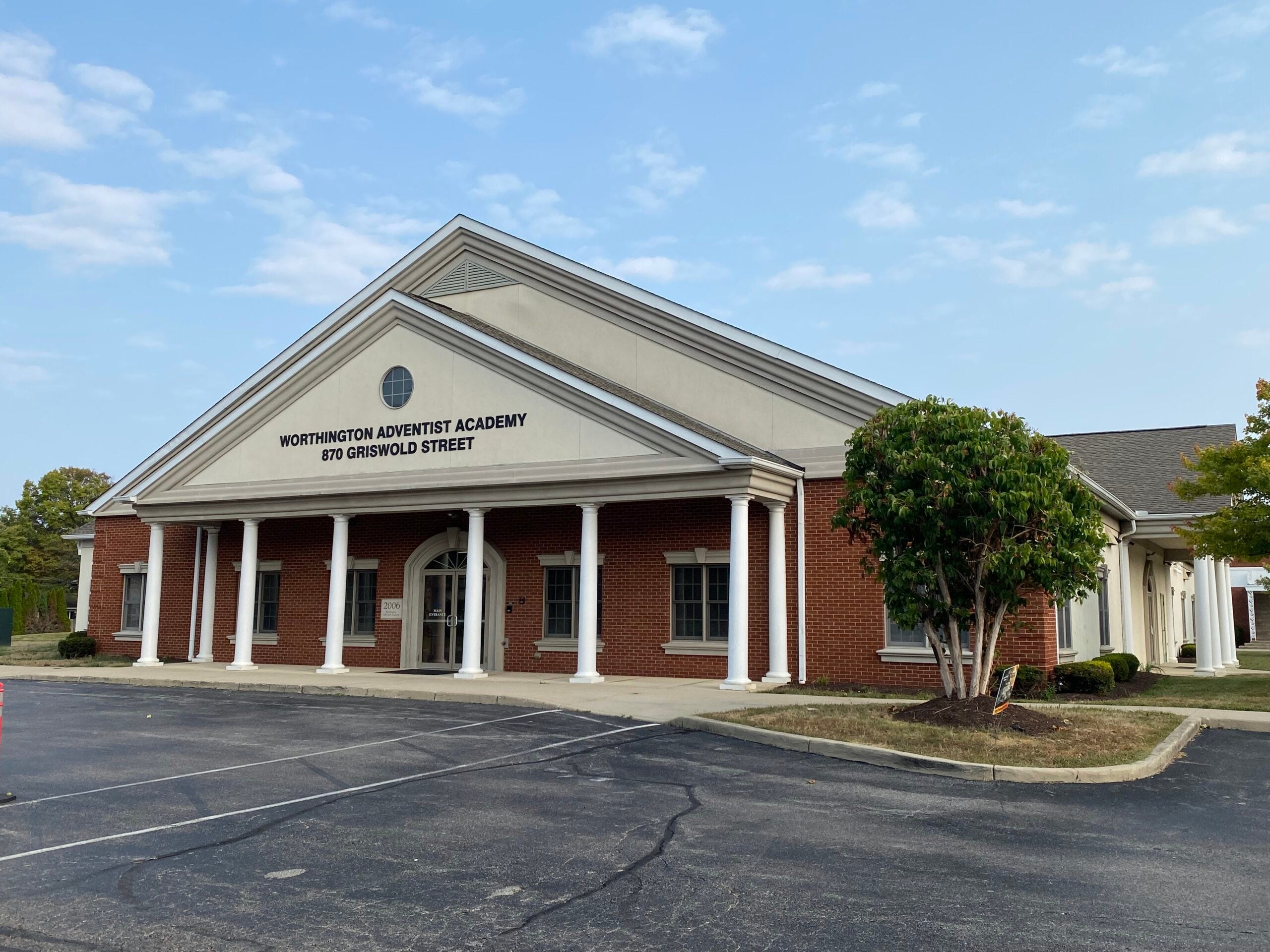
COLUMBUS, Ohio – A man who spent months volunteering as a religion teacher and youth minister at a Seventh-day Adventist school and church in suburban Columbus was sentenced last week to more than 13 years in federal prison after investigators discovered he had accumulated what authorities described as one of the largest child sexual abuse material collections they had ever encountered in the state.
Andrew Brown, 51, of Columbus, was ordered to serve 160 months in federal prison after pleading guilty to distributing, receiving, and possessing child pornography. Brown possessed 15 terabytes of child sexual abuse material across multiple devices  – a volume of illegal content that staggered investigators and raised urgent questions about how he had been permitted to work alongside children for so long.
The answer, prosecutors suggest, lay partly in what no one knew to ask: Brown was in the country illegally, having overstayed a visa from Jamaica, and no mechanism existed at the institutions he served to detect that fact.
“The Most Active IP Address in the State”
Brown’s IP address was flagged by the Franklin County Internet Crimes Against Children Task Force as the most active IP address in Ohio using peer-to-peer software to download child pornography.  When investigators executed a search warrant at his apartment, he was at his computer actively downloading and exchanging images and videos of children being sexually abused, including material depicting infants and toddlers. 
But the apartment was not the only location Brown used to fuel his collection. Further investigation revealed that Brown was using a computer where he volunteered at Worthington Adventist Academy and Worthington Seventh-day Adventist Church to download child pornography when not at home. The IP address for the church and school was flagged as the third most active IP address in Ohio downloading child pornography. 
Between October 2023 and April 2024, Brown possessed more than 40,000 files of minors engaged in sex acts. 
A Trusted Position, an Invisible Threat
The case has shaken the Worthington community and prompted a broader conversation about the adequacy of volunteer screening practices at religious institutions nationwide. Child safety advocates note that churches and faith-based schools often rely on informal vetting – a personal referral, a handshake, a shared theology – rather than the systematic background checks that public schools are required to conduct.
“Churches are uniquely vulnerable to this kind of predatory grooming because they are built on trust,” said one child protection attorney who has worked extensively with religious institutions. “That trust, when it is not backed by verification, becomes a weapon in the hands of someone who knows how to exploit it.”
U.S. Attorney Dominick S. Gerace II noted that Brown “placed himself in a position of trust with children as a religion teacher and youth minister,”  a pattern child safety experts describe as textbook predatory positioning – selecting volunteer roles that provide maximum access to minors with minimum institutional scrutiny.
The Background Check Gap
California is among the states that have moved most aggressively to address this vulnerability. Beginning this year, California law requires churches and religious organizations that allow volunteers to work with minors to conduct LiveScan fingerprint background checks – the same biometric system used for public school employees. Ohio has no comparable requirement.
Critics of the patchwork approach to volunteer screening argue that fingerprint-based checks, while imperfect, would have accomplished something a simple name search could not: they might have revealed Brown’s immigration status and any prior law enforcement interactions, and would have created a formal record of who was being permitted access to children.
Immigration status, notably, is not captured by most standard volunteer background check services. Brown’s visa overstay would not have appeared in a routine criminal history search. But advocates for comprehensive screening argue that a properly administered federal background check process, which cross-references immigration databases, would have surfaced the visa overstay.
Institutional Response and Broader Implications
Worthington Adventist Academy and the Worthington Seventh-day Adventist Church have not issued detailed public statements about the security protocols that were in place during Brown’s tenure as a volunteer. The Seventh-day Adventist Church’s North American Division maintains a child protection policy that recommends background checks for volunteers working with minors, but implementation and enforcement vary by conference and local congregation.
The sentencing was announced by U.S. Attorney Gerace, along with officials from U.S. Immigration and Customs Enforcement’s Homeland Security Investigations, the Franklin County Sheriff’s Office ICAC Task Force, and the Ohio ICAC Task Force.  The coordination of immigration enforcement and child crimes prosecution reflects a deliberate prosecutorial posture under the current Justice Department.
Child safety advocates, however, caution against allowing the immigration dimension to obscure the core institutional failure. Predators who are citizens, they note, exploit the same gaps. The question is not primarily one of national origin but of institutional rigor: whether organizations entrusted with the care of children have built the screening architecture to make that trust something more than a leap of faith.
“Our Children Are Safer”
The case was prosecuted under Project Safe Childhood, a nationwide DOJ initiative launched in 2006 to combat child sexual exploitation and abuse. 
U.S. Attorney Gerace said that “our children undoubtedly are safer with Brown serving this significant term of imprisonment.”  The sentence also carries federal supervision requirements upon release.
For the families whose children sat in Brown’s classroom or attended his youth ministry sessions, the sentence offers a measure of accountability. Whether it produces the institutional reforms needed to prevent the next such case depends on choices that courts cannot make – choices that belong to the schools, the churches, and the legislatures that set the rules by which they operate.