Sacramento has a new target, and it is not a criminal. It is a machine.
By Michael Peabody, Esq
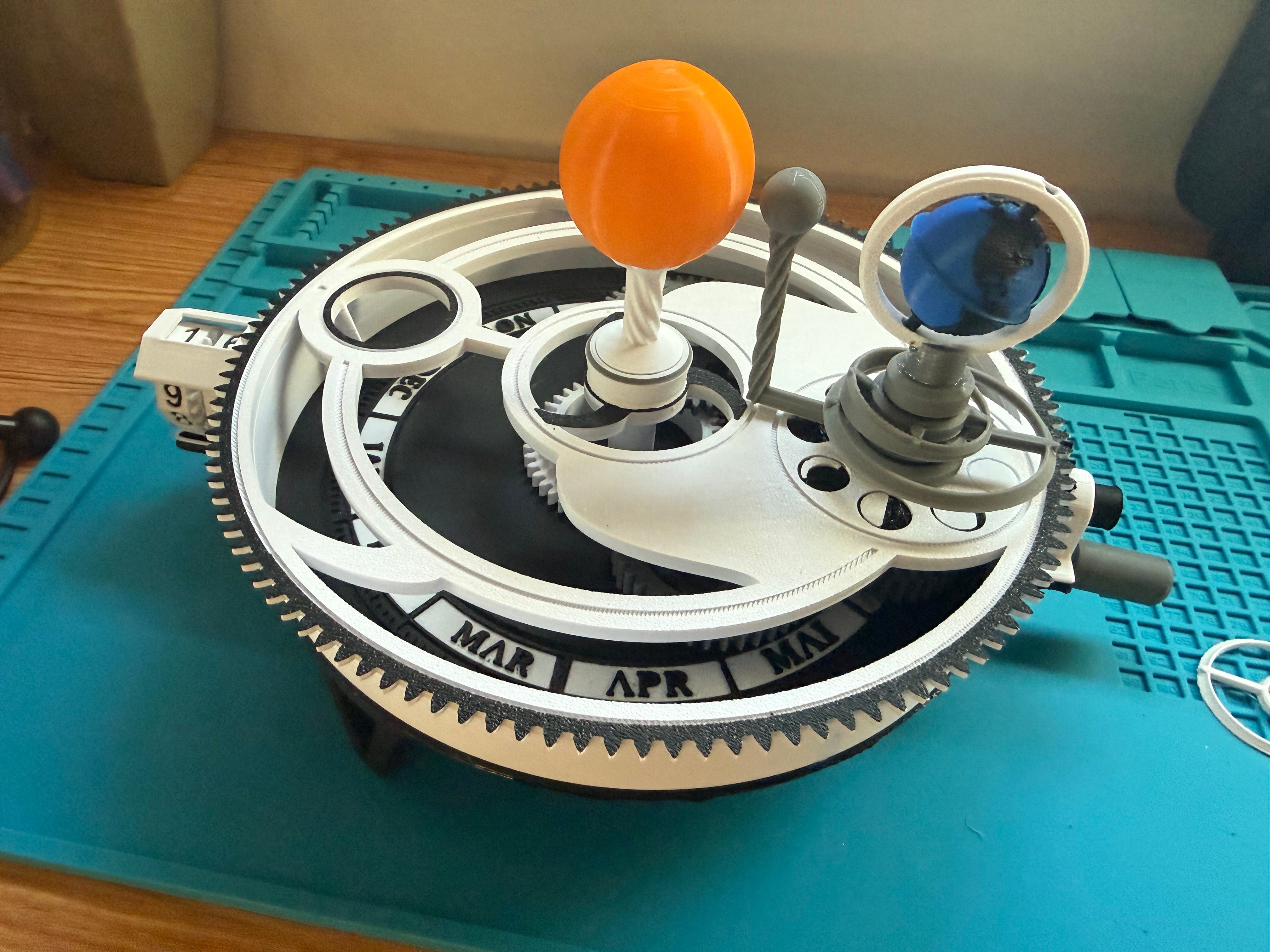
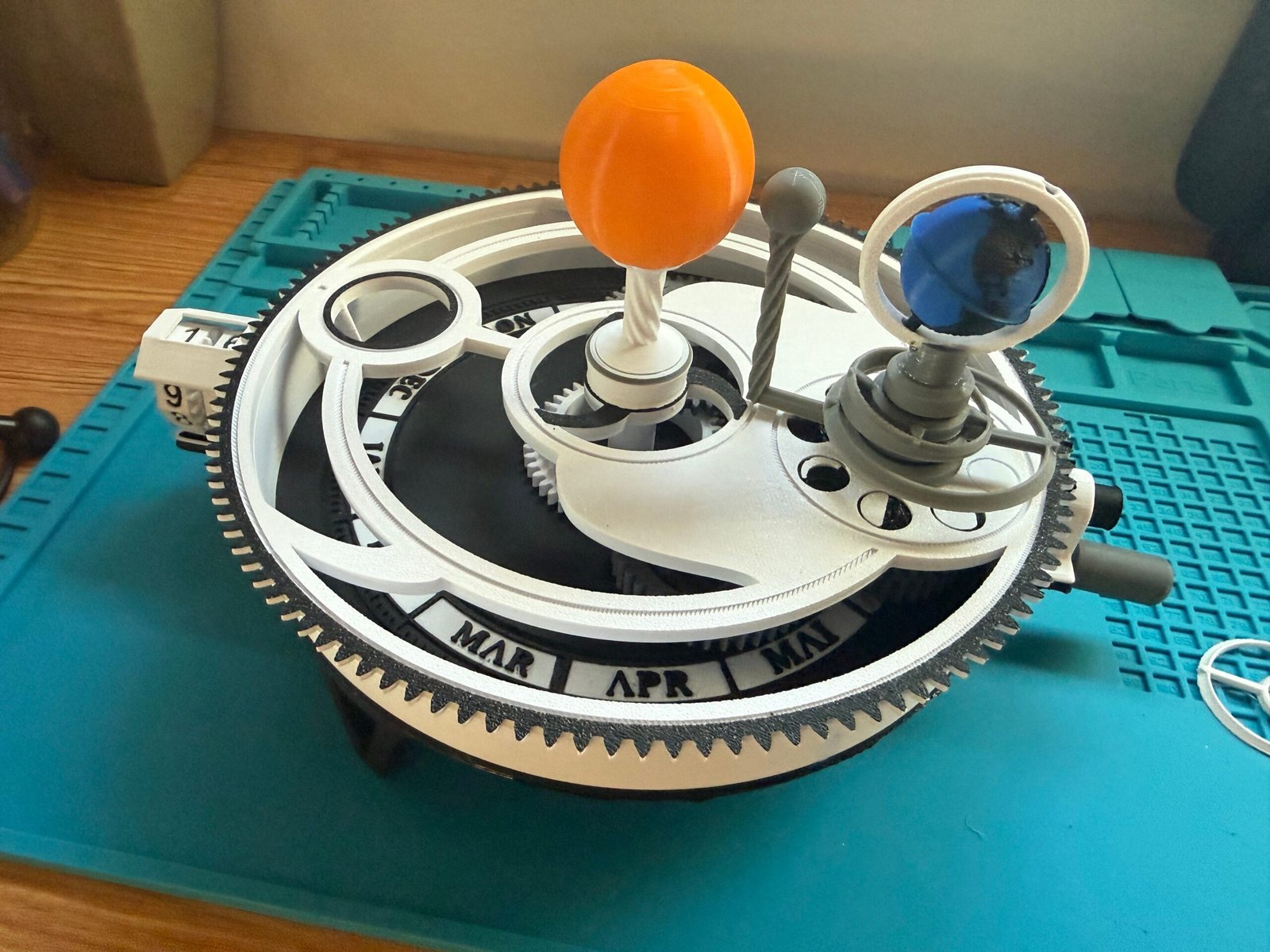
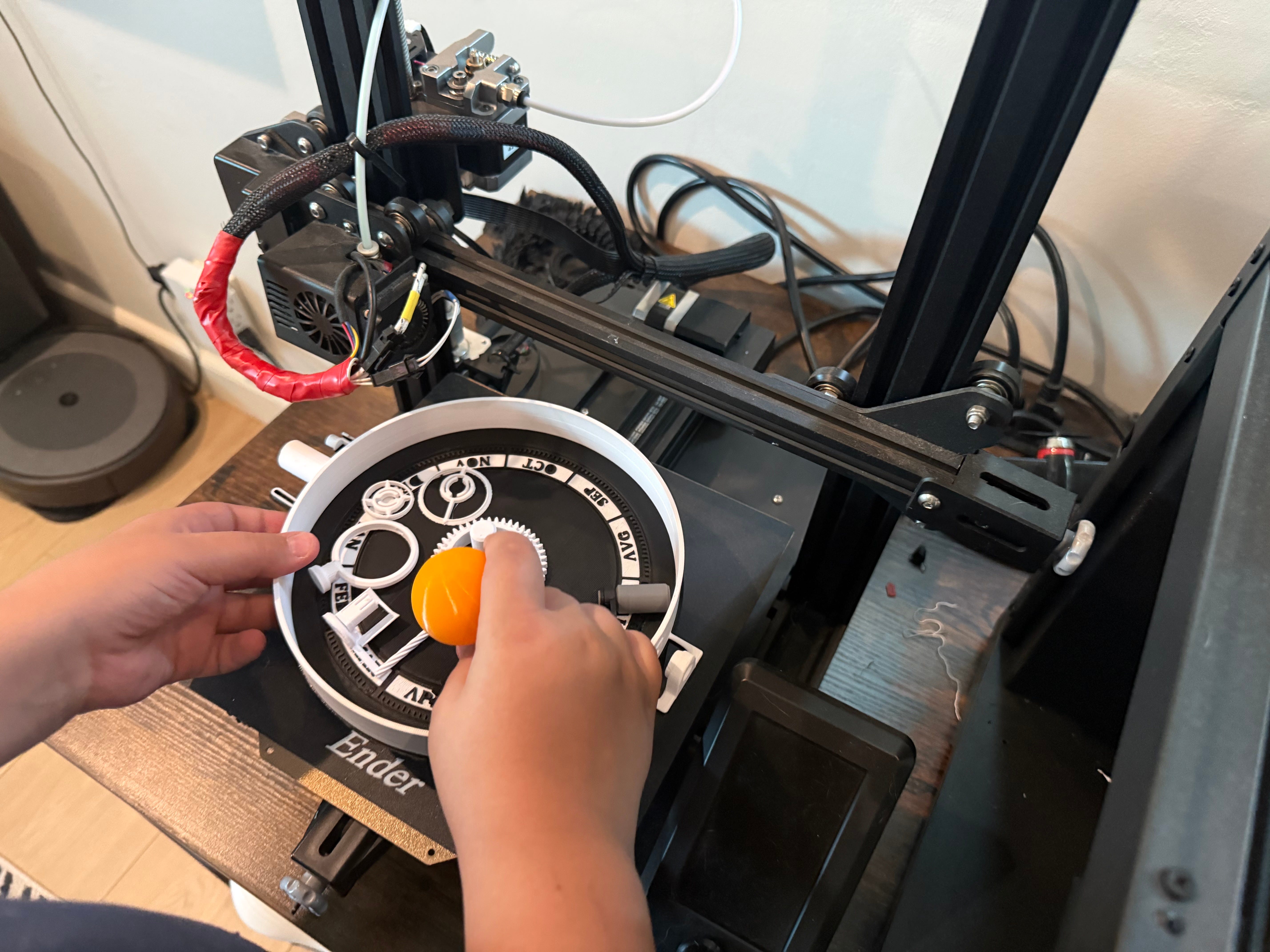
A working Orrery 3D printed by my 12-year-old son
California’s AB 2047, the so-called Firearm Printing Prevention Act, would ban the sale or transfer of any 3D printer in the state unless it appears on a Department of Justice roster of approved models. Sponsored by Assembly Member Rebecca Bauer-Kahan and introduced February 17, 2026, the bill mandates that printers refuse to proceed with any job unless the underlying design file has been scanned by a certified firearm blueprint detection algorithm and cleared as non-firearm-related. The compliance deadline is March 1, 2029, with civil penalties of up to $25,000 per violation. Knowingly disabling or circumventing the blocking software would be a misdemeanor. Open-source firmware like Marlin and Klipper, which animate the vast majority of consumer machines, would in practical effect become contraband.
The stated rationale is ghost guns. The actual effect is something far broader: a prior restraint on fabrication technology, a state license required for one of the most consequential manufacturing platforms of the century, and an architectural transfer of authority from the maker to the bureaucrat.
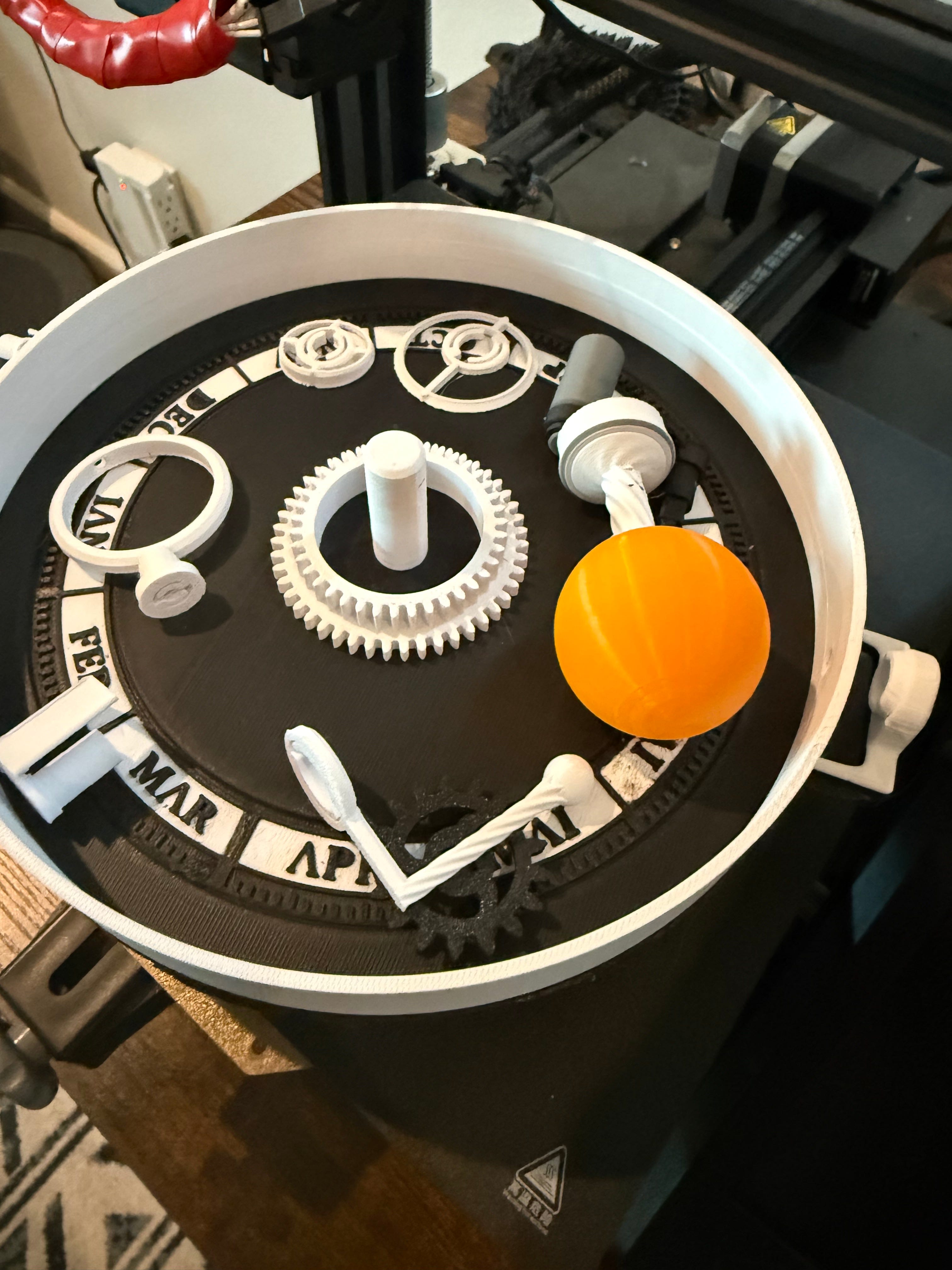
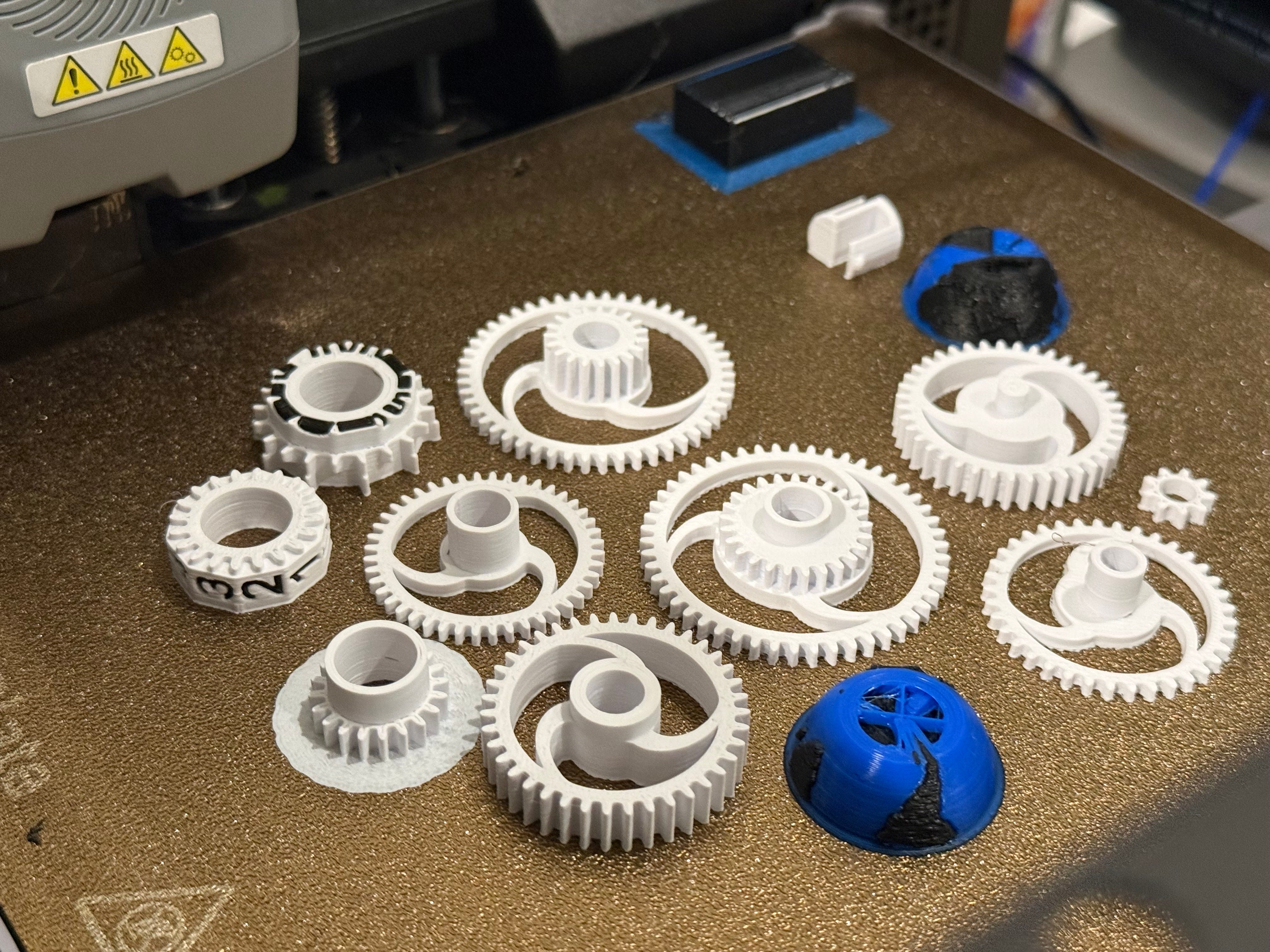
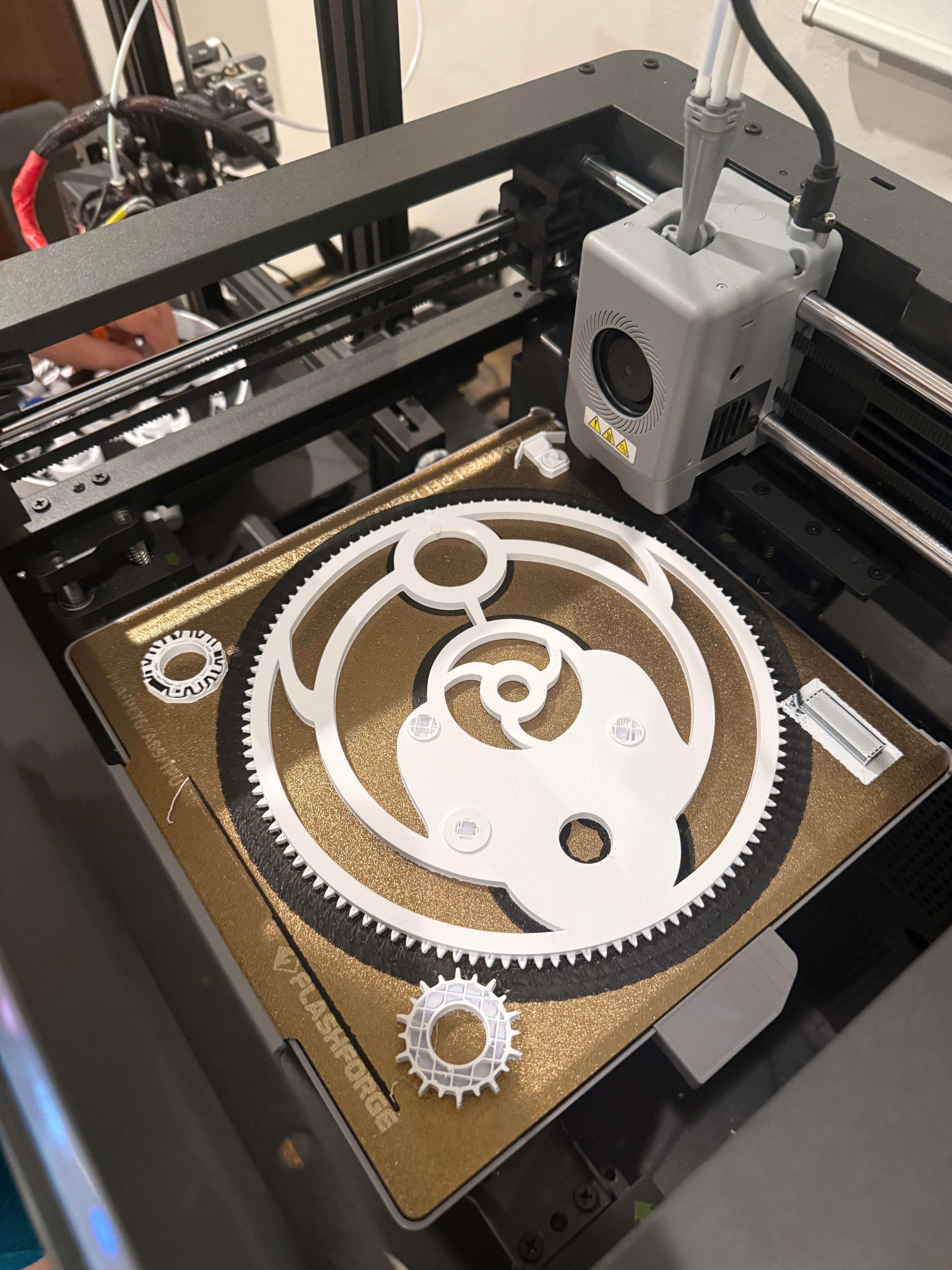
I have a 12-year-old son named whose printer would not pass the Sacramento test. He used his 3D printer this semester to build a working orrery for a school project, modeling planetary orbits in PLA and brass-colored filament with gear ratios he calculated himself. He prints gadgets for fun: phone stands, organizers, articulated toys he sells to classmates for lunch money. He has taught himself basic CAD, learned the difference between a chamfer and a fillet, debugged failed prints by reasoning about layer adhesion and print temperature. None of this came from a curriculum. It came from a $300 machine and the freedom to make things on it. Multiply him by a few hundred thousand and you have a generation that California is about to legislate out of existence.
Begin with what AB 2047 actually does to home manufacturing. The 3D printer is a general-purpose tool, the workshop equivalent of a personal computer. Hospitals print surgical guides. Aerospace contractors print rocket nozzle test pieces. Kids print articulated dragons and orreries. The California ecosystem includes more than 1.5 million schoolchildren and 30,000 businesses, with $10.5 billion in sunk costs across aerospace, medical, and technology sectors. A bill that mandates state-certified censorware on every device in that ecosystem does not regulate firearms. It regulates fabrication.
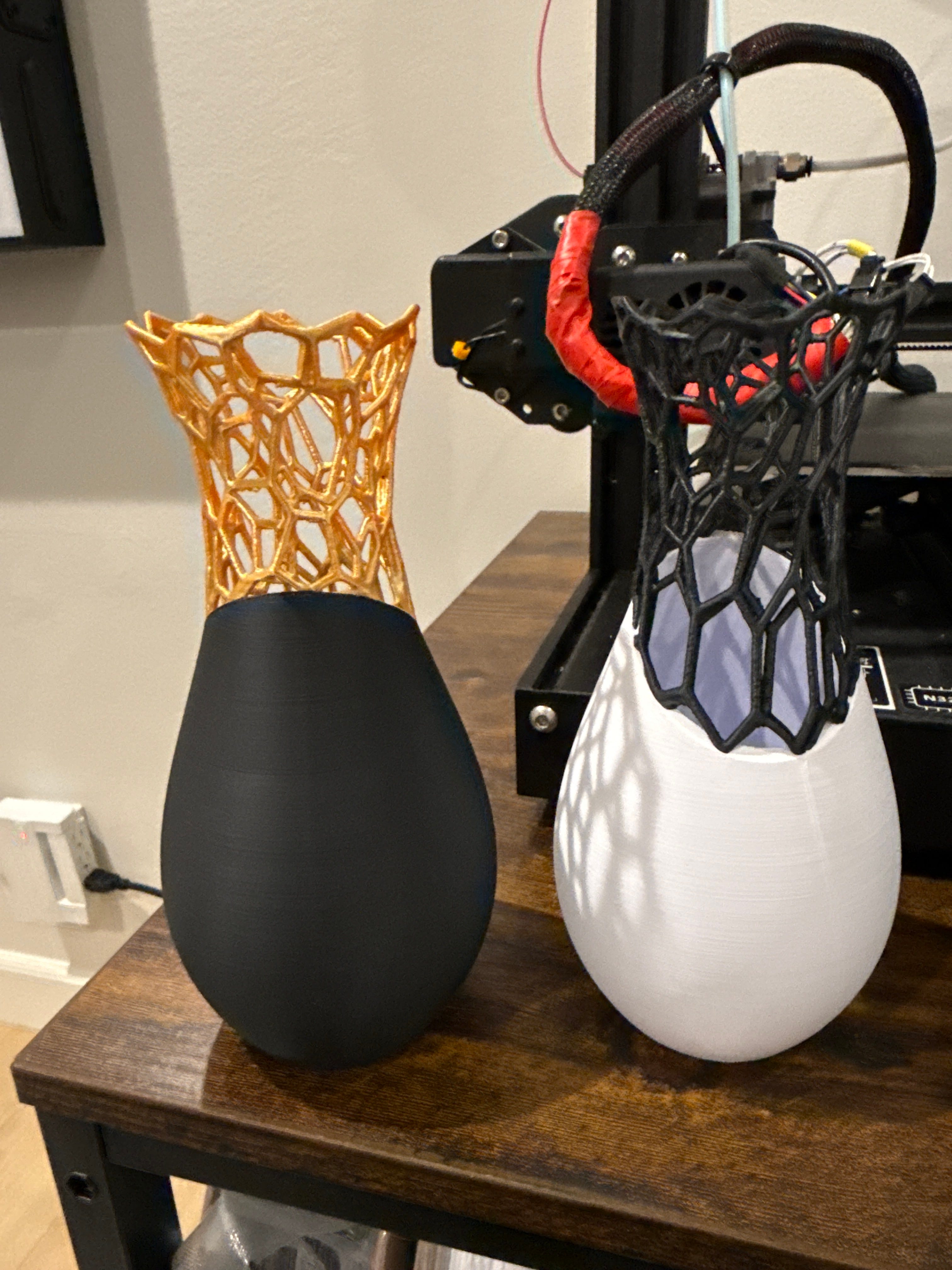
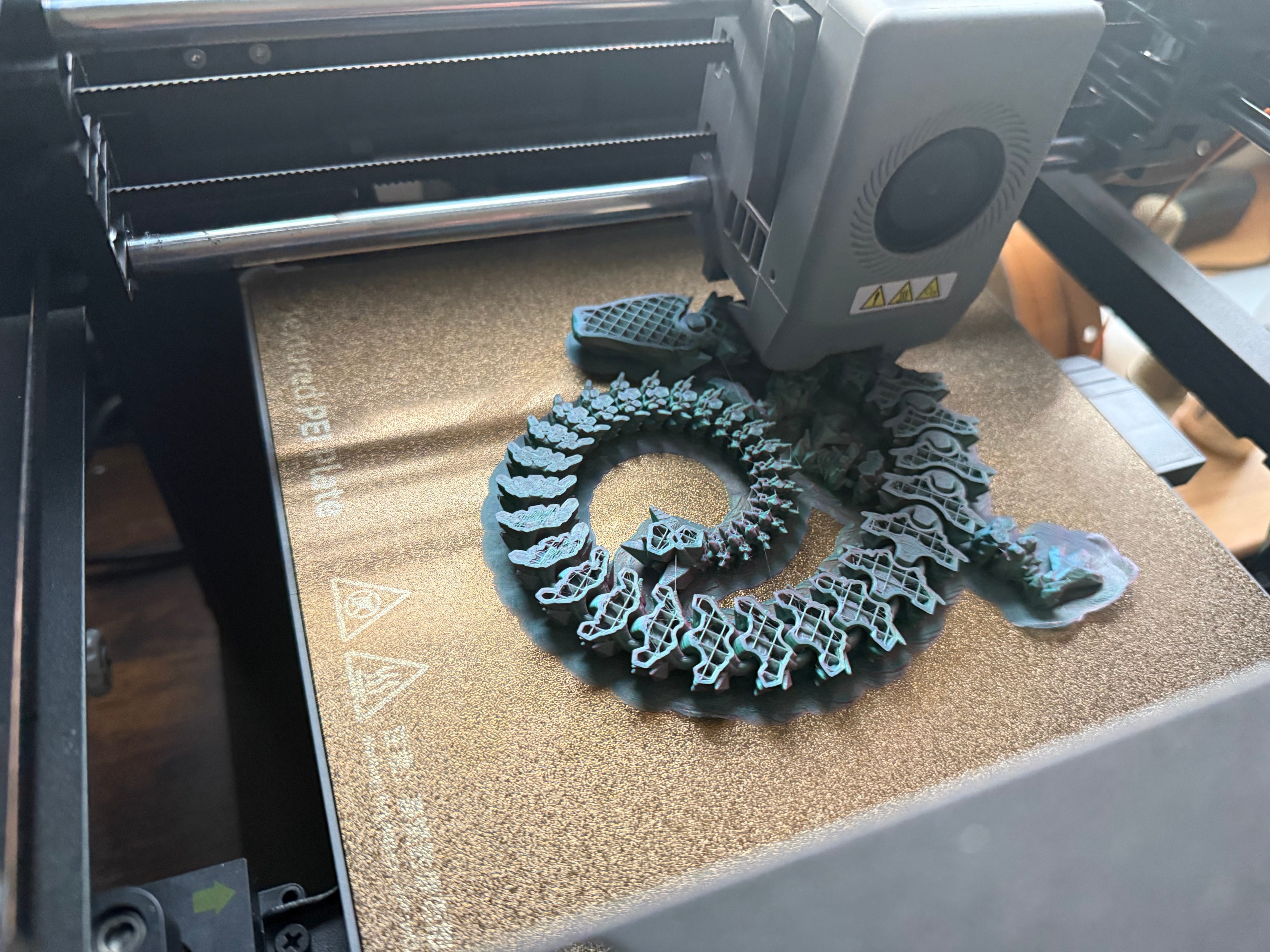
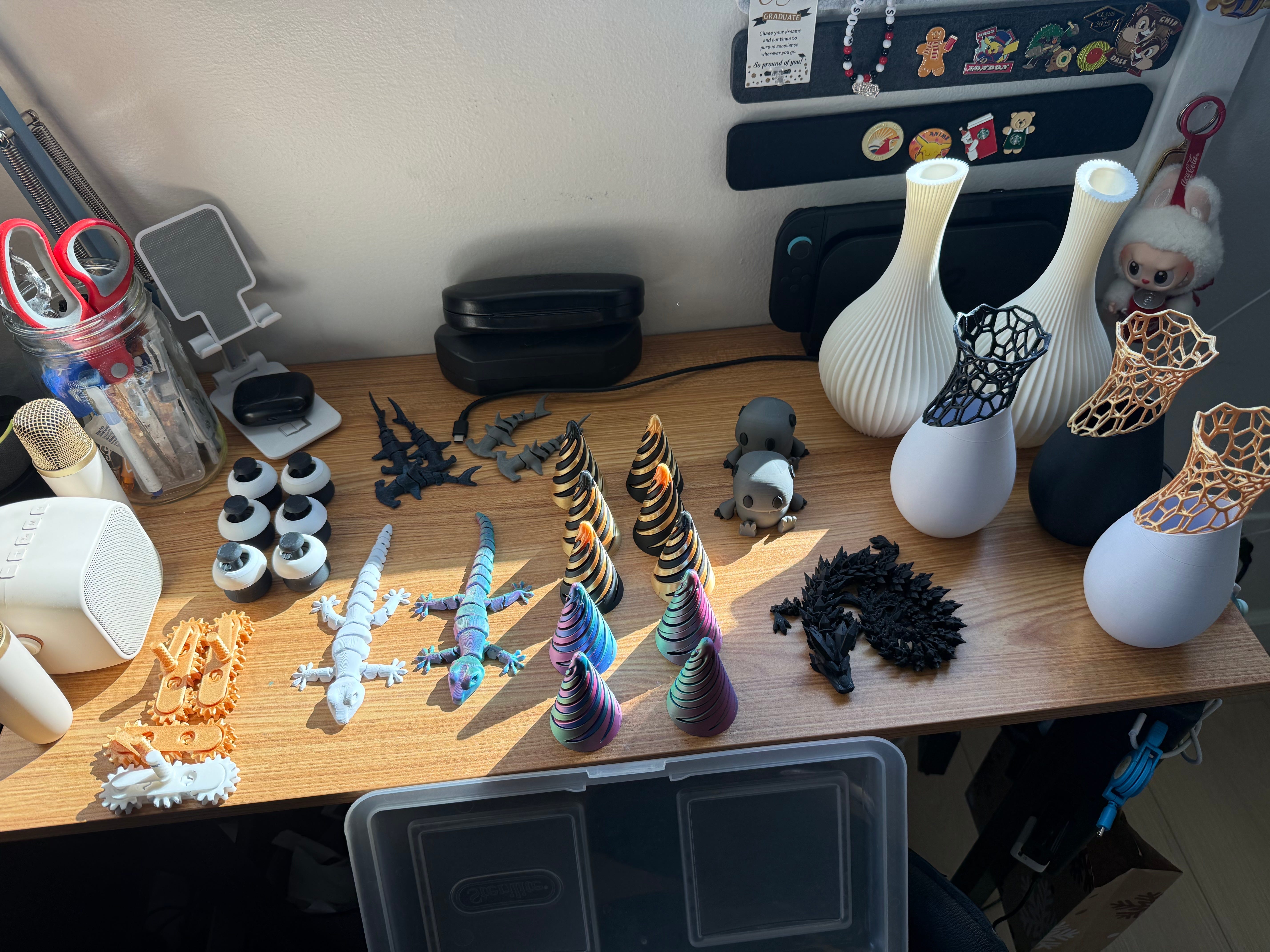
Pictured: Prints my son has made
The detection problem alone should embarrass the bill’s drafters. A firearm part is, geometrically, just a shape. A spring is a spring. A tube is a tube. No algorithm can reliably distinguish a firing-pin retainer from a model-train coupling without either flagging half the legitimate prints in the state or missing the actual gun part disguised by a five-line edit to the file. The Electronic Frontier Foundation’s policy team has called the proposal technically infeasible and warned it will lead to consumer surveillance. EFF further warns that mandatory blocking architecture will let manufacturers lock users into first-party tools, parts, and consumables, and force planned obsolescence by ceasing updates to the blocking system, taking devices out of compliance and making them illegal to resell. The bill builds a DRM regime for physical objects and hands the keys to whichever vendor lobbies the DOJ most effectively.
Then comes the constitutional analysis, which is where the bill collapses.
The Ninth Circuit, which would hear any federal challenge originating in California, has held since 1999 that source code is speech. In Bernstein v. United States Department of Justice, the court found that prepublication licensing schemes for source code burden scientific expression, vest boundless discretion in government officials, lack adequate procedural safeguards, and constitute prior restraints offending the First Amendment. The Bernstein court reasoned that cryptographers use source code to communicate scientific ideas in much the same way mathematicians use equations or economists use graphs, and rejected the government’s argument that the functional dimension of code stripped it of constitutional protection. A CAD file is the geometric cousin of source code: it encodes, communicates, and instructs. STL and G-code files are how engineers talk to one another about form. They are also how a 12-year-old talks to a machine about a planetary gear train.
The functional-versus-expressive distinction the state will inevitably invoke is the same one Bernstein rejected. The Third Circuit has gestured the other direction. In its February 2026 ruling against Defense Distributed, the court held that to invoke First Amendment protection, a plaintiff must show that the particular use of the code burdened by a regulation involves the expression or communication of ideas in a way that implicates the First Amendment. That decision is narrow. It concerns distribution of specific gun-printing files, not the design and operation of every 3D printer in commerce. AB 2047 sweeps far wider, regulating the firmware that runs the device itself and the slicer software that prepares any file for any print.
The prior restraint problem is more direct still. AB 2047 does not punish the printing of an illegal gun part after the fact. It installs a government algorithm on every printer to block fabrication before it occurs. That is the textbook definition of a prior restraint, the category of speech regulation the Supreme Court has repeatedly identified as the most disfavored under the First Amendment. The Bernstein framework requires specified time limits, expeditious judicial review, and the censor bearing the burden of proof. AB 2047 supplies none of these. The bill instead creates an open-ended bureaucracy at the California DOJ, charged with continually maintaining a database of banned blueprints and a roster of compliant printers as new models are released and workarounds are discovered. Boundless discretion. No clear criteria. No procedural safeguards. The bill might as well have been drafted to fail Bernstein on every prong.
Compelled speech is a second, independent problem. Forcing manufacturers to embed government-approved censorship tools that scan and block disapproved code echoes the compelled-speech doctrine the Supreme Court reaffirmed in 303 Creative LLC v. Elenis (2023). The state cannot conscript a private company into delivering its message, and a print-blocking algorithm is a message: this design is forbidden, and we will prevent you from rendering it.
Vagueness compounds the problem. What counts as a firearm blueprint? A magazine spring? A buffer tube? A trigger guard? Half the parts in a firearm have legitimate non-firearm uses. A statute that demands an algorithm draw the line invites arbitrary enforcement, the classic vagueness vice.
There is also the matter of what AB 2047 says about how California sees its own citizens. The bill assumes that the act of making a thing is presumptively suspect, that the right to fabricate must be licensed, and that the state’s interest in preventing one narrow class of misuse justifies leashing the entire technology. That is not how this country has treated the printing press, the photocopier, the personal computer, or the encryption library, all of which were once described in identical panicked tones as instruments of imminent catastrophe. The makerspace is the modern descendant of the print shop.
My son does not know any of this. He knows that he can imagine a thing and, a couple of very patient hours later, hold it in his hand. That is an extraordinary inheritance. California is poised to take it from him, and from a million other kids like him, in the name of stopping a problem the bill cannot actually solve. The makers who showed up in Sacramento to testify against AB 2047 are mostly not gun advocates. They are engineers, teachers, parents, and hobbyists watching a well-funded lobbying campaign mistake their workshop for a crime scene. The First Amendment argument is available to them and it is strong. The question is whether the legislature will recognize that before a federal court does it for them.
