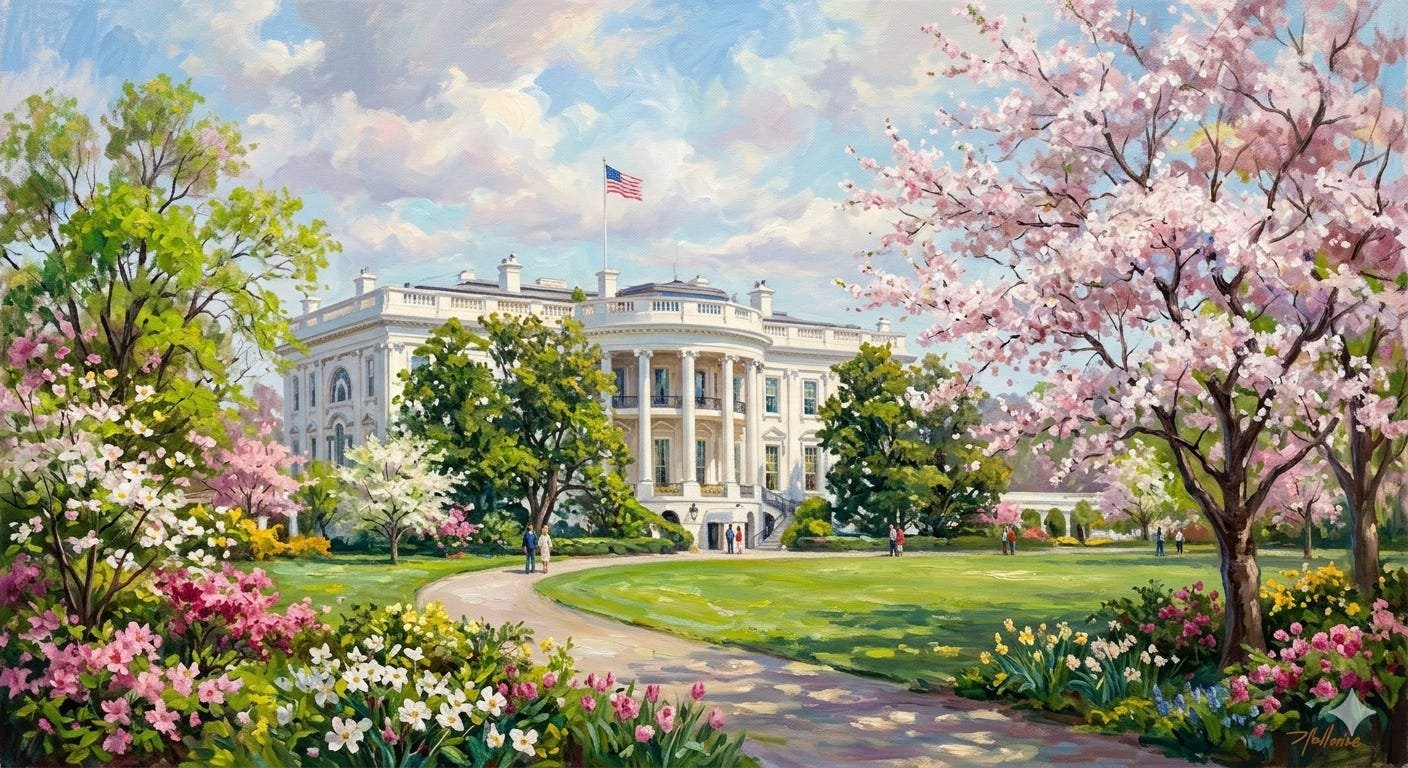
The White House officially recognizes the historical contributions and ongoing resilience of Jewish Americans amid a rise in domestic antisemitism.
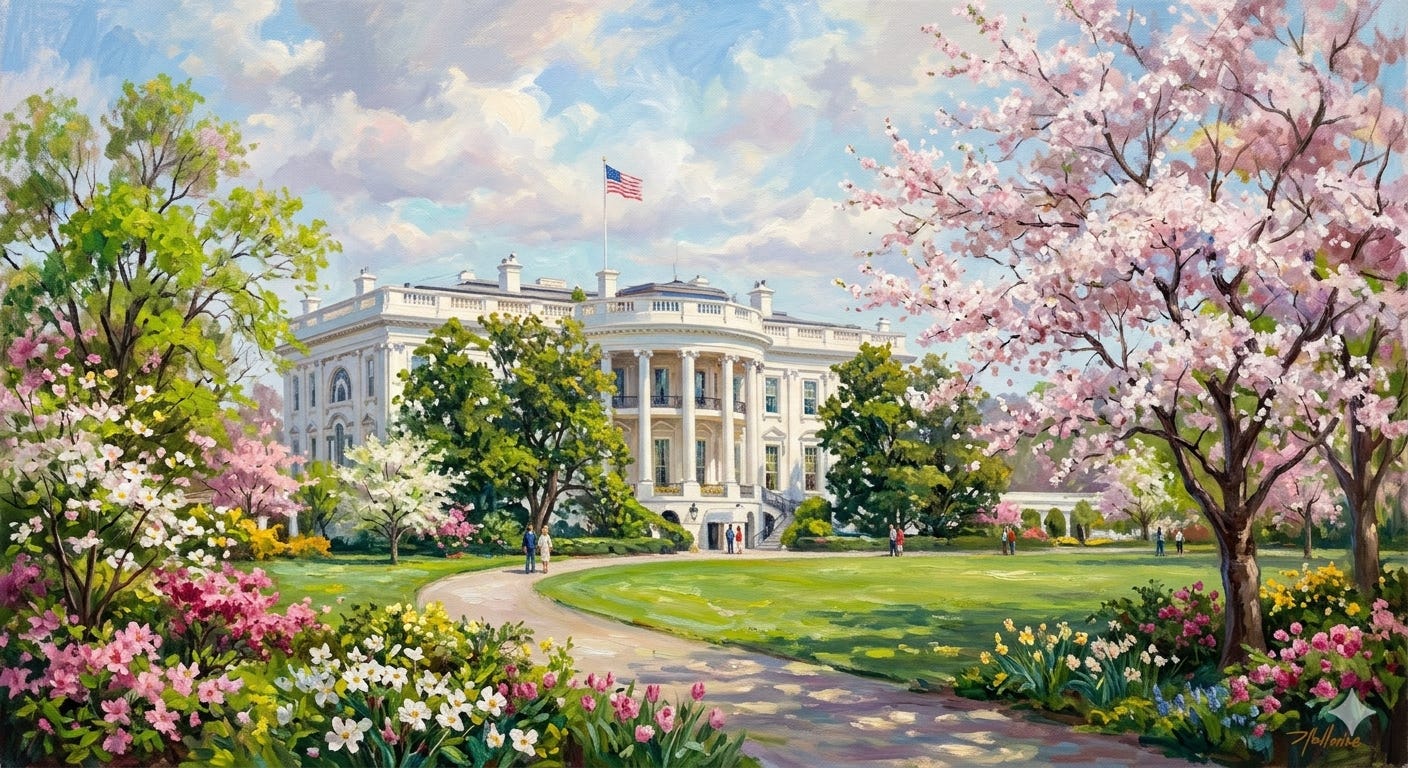
President Trump has officially designated May 2026 as Jewish American Heritage Month. This proclamation highlights the centuries of contributions Jewish individuals have made to American science, law, and culture. The 2026 declaration focuses heavily on the implementation of strategies to counter antisemitism. It addresses the sharp increase in antisemitic incidents following the October 7 attacks. The administration emphasizes that hate has no safe harbor in America. Key initiatives include securing federal funding for physical security at synagogues and educational institutions. This annual tradition serves as a call to action for all citizens to combat prejudice. The text reaffirms the unbreakable bond between the United States and the Jewish community.
Proclamation on Jewish American Heritage Month, 2026
May 4, 2026
https://www.whitehouse.gov/presidential-actions/2026/05/jewish-american-heritage-month-2026/
The 2026 proclamation confirms that the federal government will continue to prioritize the safety of Jewish communities through national strategies. This executive action mandates federal agencies to treat antisemitism with the same urgency as other forms of prohibited discrimination. You can expect increased federal oversight of campus safety and religious institutional security throughout the month of May and beyond.
The White House issues this proclamation annually to celebrate Jewish history. However, the 2026 version carries specific weight due to the persistent climate of hostility on college campuses and public squares. It acts as a policy roadmap for how the executive branch intends to use Title VI of the Civil Rights Act to protect Jewish students.
How does the 2026 proclamation define the Jewish American experience?
The proclamation describes the Jewish American experience as a story of faith, fortitude, and progress. It traces history from the first Jewish settlers in New Amsterdam to modern leaders in the Cabinet and Supreme Court. The text focuses on the concept of “tikkun olam,” or “repairing the world.” This religious principle is cited as a driver for Jewish involvement in the Civil Rights Movement and social justice initiatives. The document acknowledges that while many found refuge in America, the community still faces the “oldest hate” in new, digital forms.
What specific actions are being taken to combat antisemitism?
The administration is utilizing national strategies to combat hate. This involves specific actions across various federal departments. The Department of Education has issued guidance to schools to clarify their legal obligations under the Civil Rights Act. The Department of Homeland Security is increasing grants for the Nonprofit Security Grant Program. These funds help synagogues and community centers install security cameras and reinforced entries. The proclamation also mentions building cross-community solidarity against hate.
Does the proclamation call for a specific day of observance?
The 2026 proclamation features a historic call for a “national Sabbath” to honor the Jewish community during America’s 250th anniversary year. The President has designated the period from sundown on May 15 to nightfall on May 16 as a time for this observance. This initiative, dubbed “Shabbat 250,” encourages people of all backgrounds to join in gratitude for the nation. It recognizes the sacred Jewish tradition of setting aside time for rest, reflection, and gratitude to the Almighty. This specific day of honor aligns with the “Rededicate 250” weekend of national jubilee and prayer.
“Throughout this historic year, we rejoice in the triumph of the American spirit and rededicate ourselves to the cause of liberty and justice for all. In special honor of 250 glorious years of American independence and on the weekend of Rededicate 250 — a national jubilee of prayer, praise, and thanksgiving — Jewish Americans are encouraged to observe a national Sabbath. From sundown on May 15 to nightfall on May 16, friends, families, and communities of all backgrounds may come together in gratitude for our great Nation. This day will recognize the sacred Jewish tradition of setting aside time for rest, reflection, and gratitude to the Almighty.”
Why is the timing of this proclamation significant?
This recognition occurs during a period of record-high antisemitic reports in the United States. The 2026 proclamation explicitly mentions the “ferocious surge” in hate after the Hamas attacks on Israel. It serves as a legal and moral signal that the administration views antisemitism as a threat to American democracy itself. By formalizing this in a presidential proclamation, the White House sets a tone for state and local governments to follow in their own legislative sessions.
How does this affect religious liberty protections?
The proclamation reinforces the idea that religious liberty is not just the right to worship but the right to do so without fear. It connects the protection of Jewish Americans to the broader protection of all minority groups. By enforcing Title VI, the administration aims to ensure that Jewish identity is protected in federally funded programs. This creates a precedent for how the government identifies and penalizes harassment based on perceived shared ancestry or ethnic characteristics.
The 2026 Jewish American Heritage Month proclamation serves as both a celebration and a defensive strategy. It honors the past while providing a framework for modern safety. You should expect continued federal focus on campus speech codes and hate crime enforcement throughout the year.
The law is clear about the protection of religious and ethnic minorities, but the application of these protections is where the real battle lies. This proclamation is a necessary use of the “bully pulpit” to define the boundaries of acceptable discourse in a civil society. It moves beyond mere ceremony by linking the celebration to the National Strategy to Counter Antisemitism. This turns a holiday into a policy directive for the Department of Justice and the Department of Education.
When the state identifies a specific group as being under a “ferocious surge” of attacks, it creates a moral obligation for increased law enforcement vigilance. We are seeing a shift where the executive branch is using administrative law to fill gaps left by stalled legislation. By invoking Title VI of the Civil Rights Act, the administration is telling universities that their federal funding is at risk if they fail to protect Jewish students. This is a powerful lever that does not require a new act of Congress.
Critics often argue that such proclamations are purely symbolic. However, in the legal realm, symbolism precedes enforcement. These documents provide the “intent” behind federal agency actions. If a school is sued for failing to stop harassment, the language in this proclamation helps establish the prevailing standard of care that the federal government expects. It defines the “hateful poison” of antisemitism as a direct contradiction to American values.
Citations
Trump, Donald J. “A Proclamation on Jewish American Heritage Month, 2026.” *The White House*, 4 May 2026, https://www.whitehouse.gov/presidential-actions/2026/05/jewish-american-heritage-month-2026/
Subscription Call
Do you value clear-eyed analysis of the intersection of faith and law? Like and share this article to help others stay informed. Subscribe to ReligiousLiberty.TV today to receive breaking news alerts and in-depth legal case information delivered directly to your inbox.
Disclaimers
This article was assisted by AI.
This does not constitute legal advice. Readers are encouraged to talk to licensed attorneys about their particular situations.
Jewish American Heritage, Shabbat 250, Religious Liberty, White House Proclamation, National Sabbath
