
Nations honor six million Jewish victims and other targets of Nazi persecution during annual day of reflection.
International Holocaust Remembrance Day occurs every January 27 to mark the anniversary of the liberation of the Auschwitz-Birkenau concentration camp in 1945. This year marks the 81st anniversary of that event. The United Nations General Assembly established this day in 2005 to encourage Holocaust education and prevent future acts of genocide. Global ceremonies today focus on the dwindling number of survivors and the need to document their testimonies. This observance serves as a factual reminder of the consequences of state-sponsored hate and the historical reality of the “Final Solution.” Search data shows a high interest in how modern education systems handle these historical facts.
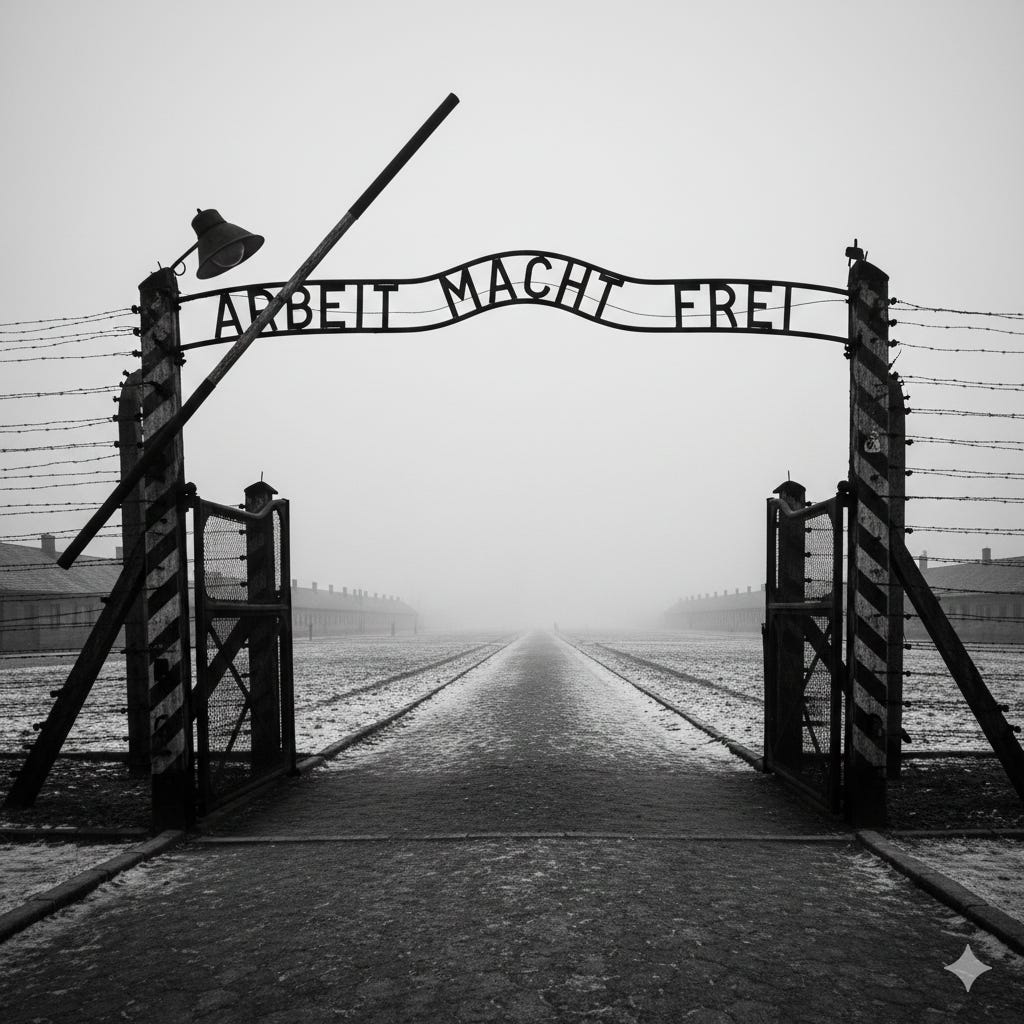
International Holocaust Remembrance Day is a global effort to preserve the factual record of the genocide committed by the Nazi regime. It functions as a formal rejection of Holocaust denial and a commitment to historical accuracy regarding the murder of six million Jews. Today, governments and organizations utilize this date to reinforce legal and educational frameworks that protect religious and ethnic minorities.
This year is a pivotal moment for Holocaust remembrance because the generation of eyewitnesses is rapidly passing away. As direct testimonies become archival records, the focus shifts to digital preservation and legal protections against rising antisemitism. The day provides a roadmap for understanding how legal systems failed under the Third Reich and how modern international law evolved in response to these atrocities.
Why is January 27th the date for Holocaust Remembrance?
The United Nations chose January 27 because it marks the date in 1945 when the Soviet Red Army entered the Auschwitz-Birkenau complex in occupied Poland. Auschwitz was the largest of the Nazi death camps. Upon entry, soldiers discovered thousands of starving prisoners and evidence of mass murder on an industrial scale. The date was formally adopted as a global day of commemoration through UN Resolution 60/7. This resolution urges every member state to develop educational programs that will instill the memory of the tragedy in future generations.
How do survivors contribute to modern legal history?
Survivors provide the primary evidence that anchors the historical record. Their testimonies have been used in war crimes trials and to establish the factual basis for reparations and international human rights laws. In 2026, many organizations are using artificial intelligence and 3D recording technology to ensure these testimonies remain interactive for students. These records serve as a barrier against historical revisionism. They provide specific details about the gradual removal of civil liberties that preceded the mass killings.
What is the current status of Holocaust education worldwide?
Holocaust education varies by country, but many nations have integrated it into mandatory curricula. The goal is to teach the mechanics of how a democratic society can descend into totalitarianism. Educators focus on the Nuremberg Laws, which stripped Jewish citizens of their rights through formal legal processes. This study shows students that the Holocaust was not just a series of random acts of violence, but a systematic, state-sanctioned program supported by a legal and bureaucratic infrastructure.
Commentary: The Collapse of the Rule of Law
The Holocaust represents the ultimate collapse of the rule of law. It demonstrates that a legal system can remain “functional” in a technical sense while being used to commit the most heinous crimes imaginable. The Nazi regime did not ignore the law; they rewrote it to exclude an entire class of people from the human family. This historical fact is why modern constitutional protections must be guarded with total vigilance.
We must understand that rights are not self-executing. A piece of paper only protects you if the institutions and the public remain committed to the principles of due process and equal protection. When a state begins to categorize citizens based on their ancestry or faith, the legal foundation for everyone starts to crumble. The Nuremberg trials later established that “following orders” is no defense when those orders violate fundamental human rights.
The lesson for today is that we cannot rely on the “good intentions” of government. We must rely on strict adherence to clear, non-discriminatory laws. Every time a small right is chipped away for one group, the precedent is set for the next. History proves that the path from legal discrimination to physical destruction is shorter than many people believe.
We remember this day not just for the victims, but for the living. We need to ensure that our legal systems are designed to prevent the concentration of power that allows such a tragedy to occur. The best way to honor the dead is to protect the civil liberties of the living with an uncompromising hand.
Citations
United Nations. “Resolution Adopted by the General Assembly on 1 November 2005.” UN General Assembly, 2005. https://undocs.org/A/RES/60/7
United States Holocaust Memorial Museum. “The Liberation of Auschwitz.” Holocaust Encyclopedia, 2024. https://encyclopedia.ushmm.org/content/en/article/liberation-of-auschwitz
Yad Vashem. “International Holocaust Remembrance Day.” The World Holocaust Remembrance Center, 2026. https://www.yadvashem.org/remembrance/january-27.html
Subscribe
If you value factual reporting and legal analysis on matters of faith and freedom, please like and share this article. Subscribe to https://ReligiousLibertyTV.substack.com to receive breaking news updates and in-depth case information directly in your inbox. Subscribers get exclusive access to our legal archives and historical research.
Disclaimers
AI Disclaimer: This article was assisted by AI.
Legal Disclaimer: This does not constitute legal advice. Readers are encouraged to talk to licensed attorneys about their particular situations.
Tags
Holocaust Remembrance, Human Rights Law, Auschwitz Liberation, Religious Liberty, History Education